Online/On-campus | 1 year | Higher Certificate | NQF Level 5
Concept Art
Design the characters, worlds and assets that power films, games and animations
What you'll learn?
Concept Art
Duration
1 year
Next course
11 February 2027 – 01 December 2027
Price, starting at
Why Study with Us?
The Only Limit is Your Imagination.
The entertainment design industry is vast and has many avenues to explore as a creative. Concept Art opens the door to any number of opportunities in this industry focusing on pre-production design work for games, films and animations. Whether you choose to specialise in one field, or work in all of the above, the Academy of Digital Arts will equip you with all the conceptual and technical skills you need to develop and visualise ideas for use in any industry.
Your Learning Journey
Fundamentals
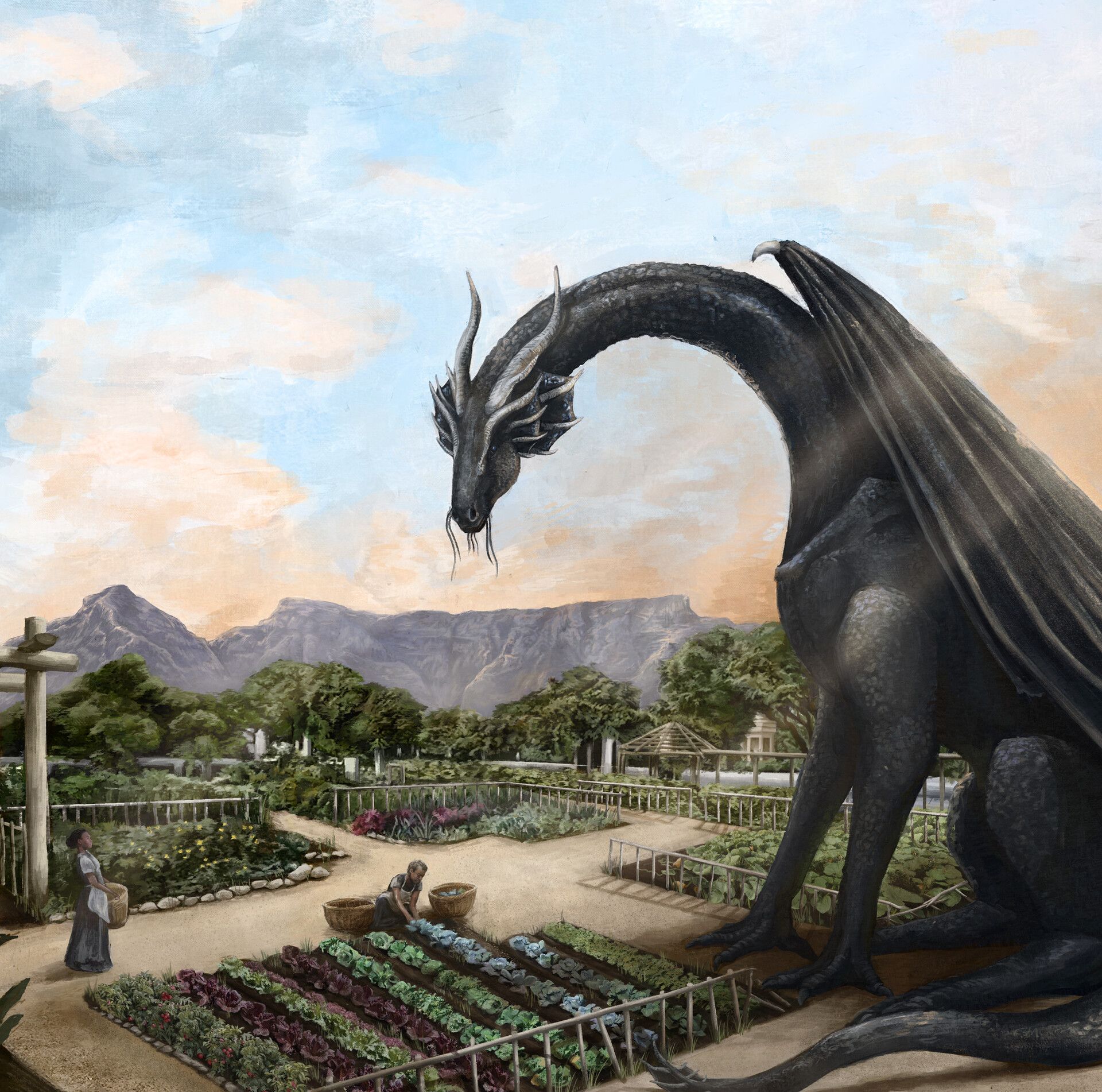
Lay the foundations for your career with art fundamentals such as perspective and anatomy. Learn analytical and observational drawing skills that will empower you to draw and design from imagination. Then jump into digital painting techniques while learning how to navigate industry-standard 2D and 3D software with ease.
Design
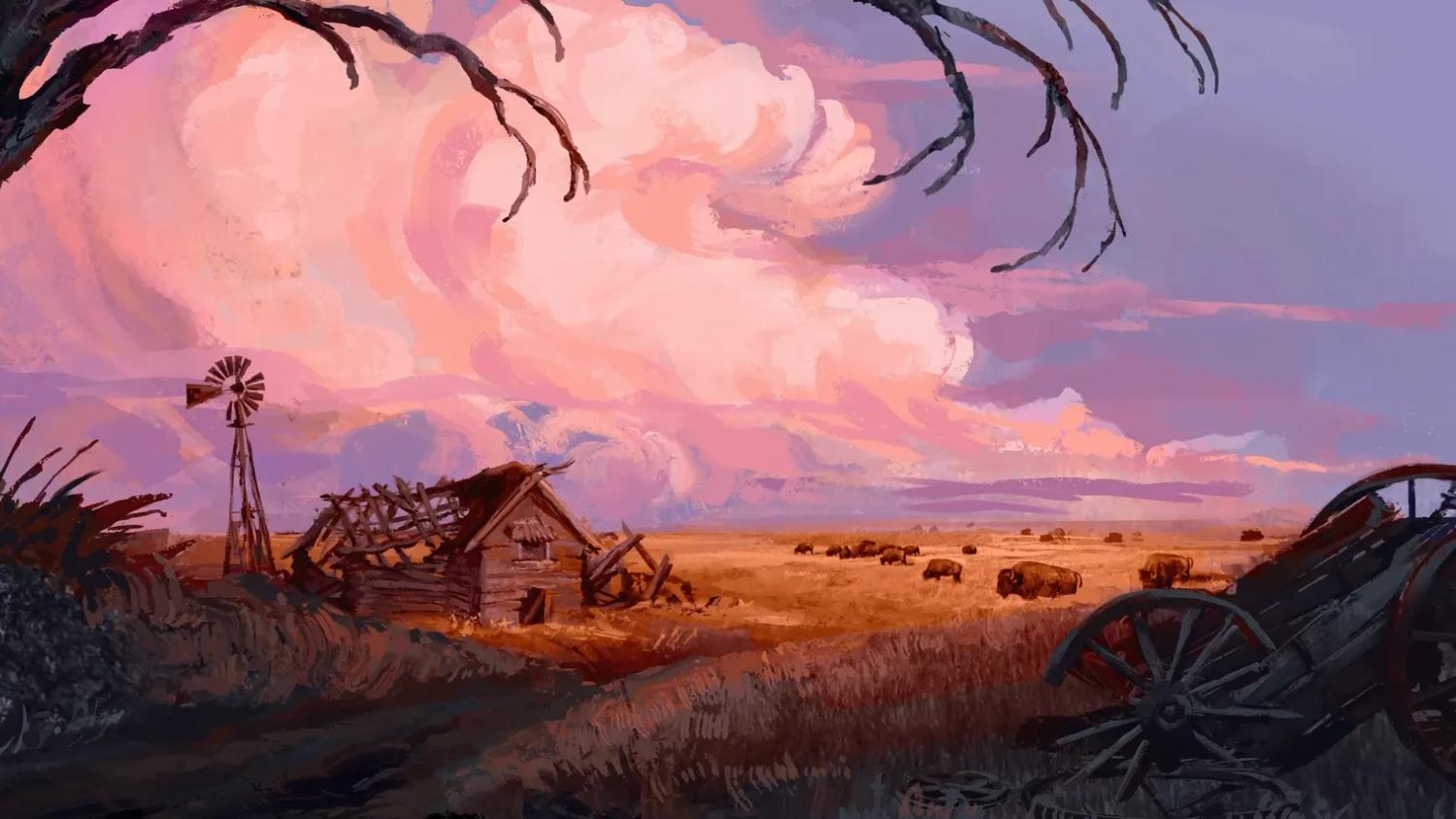
Build on your drawing skills with the principles of design. Learn how to use shape to express a character’s personality, use colour theory to set the mood for any scene, and tell a story through smartly detailed environments and believable assets that will immerse your audience. Then show off in a large-scale personal project in Campaign Design.
Industry Readiness
Get ready for the industry at ADA. Prepare with our industry-level briefs, fast but realistically paced assignments and one-on-one feedback sessions with your lecturer. Learn professional practice, time management, quoting and invoicing, implementing client feedback and, most importantly, how to get the job done.
Note: Upon completion of this course you will be awarded the Higher Certificate in Concept Art, NQF-level 5 (SAQA ID 112250, HEQSF-aligned, H/PR432/E005CAN, 120 Credits).
Curriculum Overview
Modules Offered
Module 1
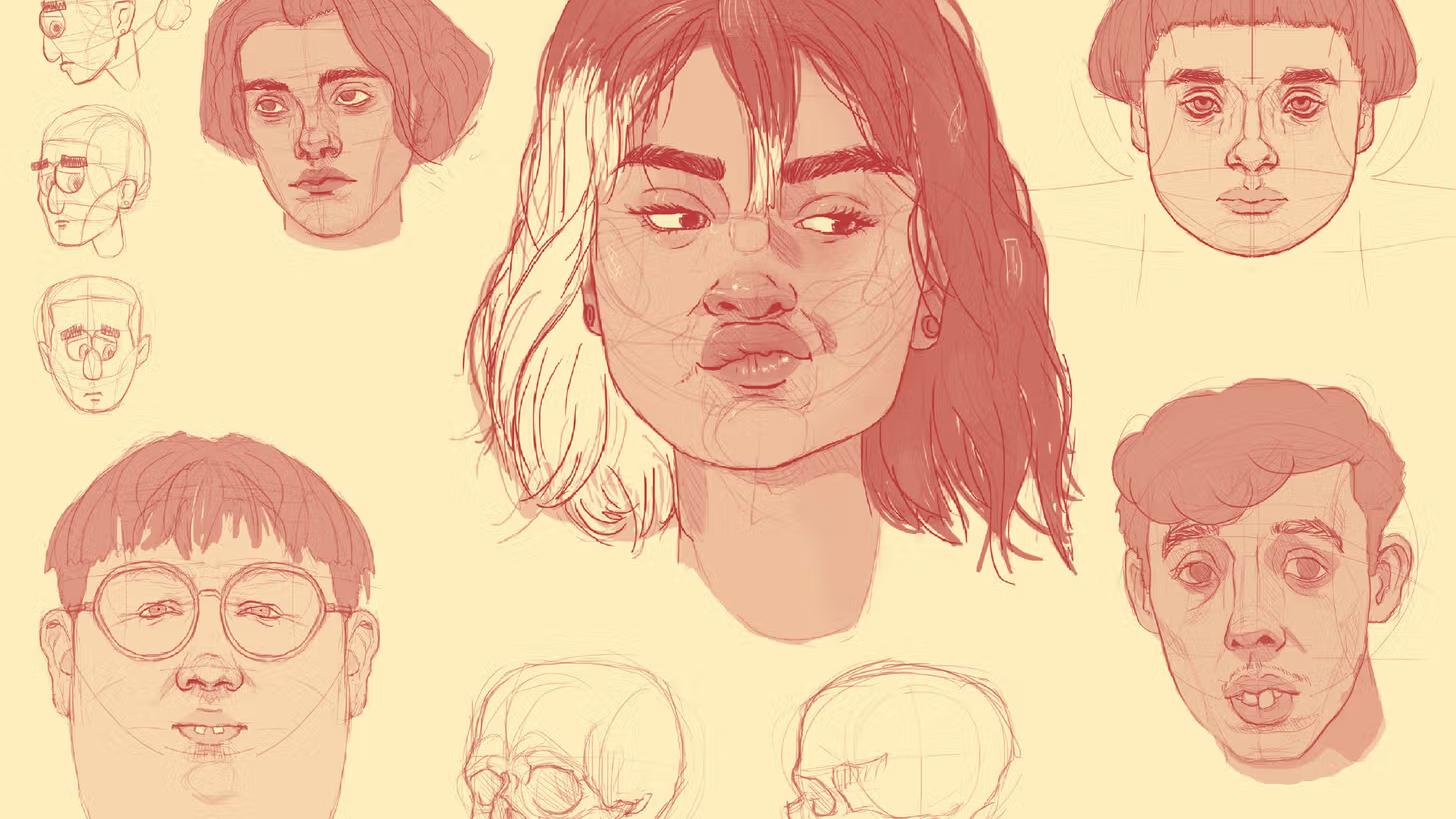
Theory & Conceptual Skills
This module introduces students to concept art and the entertainment design industry. Students will learn to distinguish between concept art and production art and gain an understanding of how concept art is used in the industry. The module lays the foundations for the advanced conceptual skills students will need later in the programme, and broadens their design thinking through an understanding of narrative and world building.
Module 2
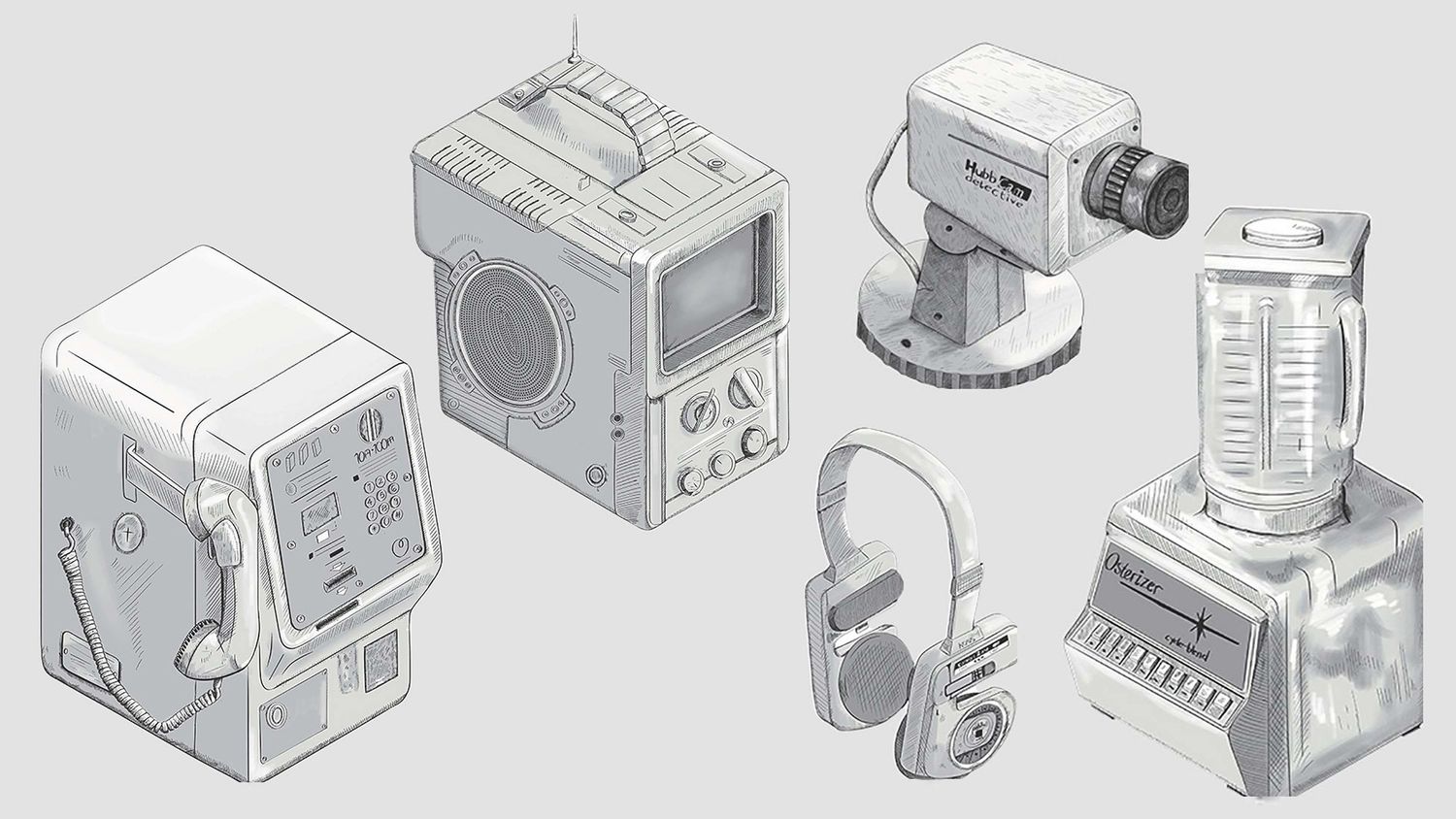
Perspective
In this module students will develop their understanding of the different perspectives that concept artists are expected to master. This includes isometric perspective, as well as one-point, two-point and three-point perspective. An understanding of perspective is essential for the designs students will develop throughout the year, and these skills will become invaluable building blocks for every assignment to come.
Module 3
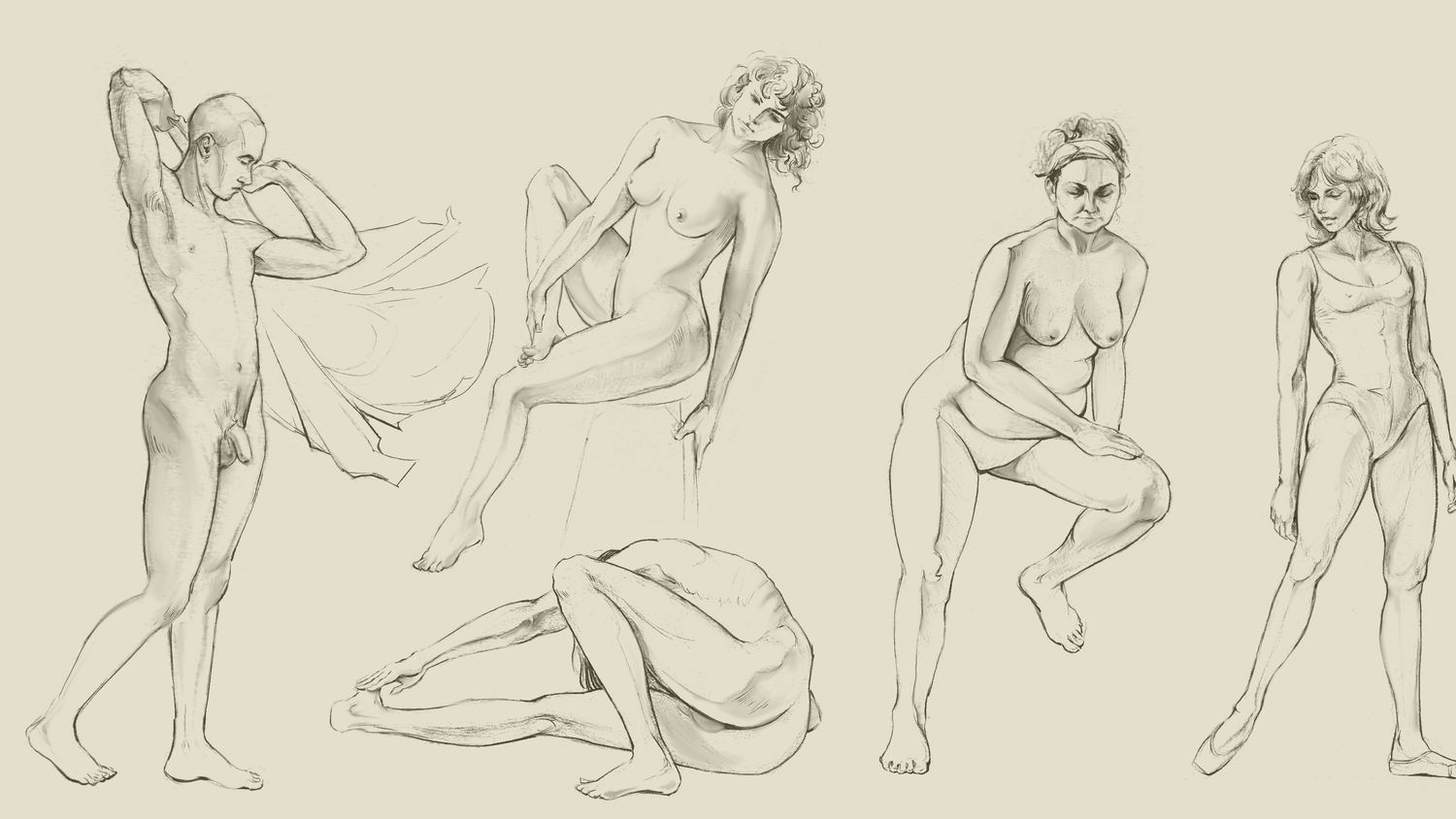
Drawing & Anatomy
In this module students will put their newfound understanding of perspective to the test. They will learn the fundamentals of anatomy, including how to break complex shapes, like the human body, into simple shapes that can be drawn in different poses and perspectives with more ease. The module also develops students’ drawing skills through advanced line art techniques that will allow them to create effective anatomy studies and serve them throughout their art careers.
Module 4
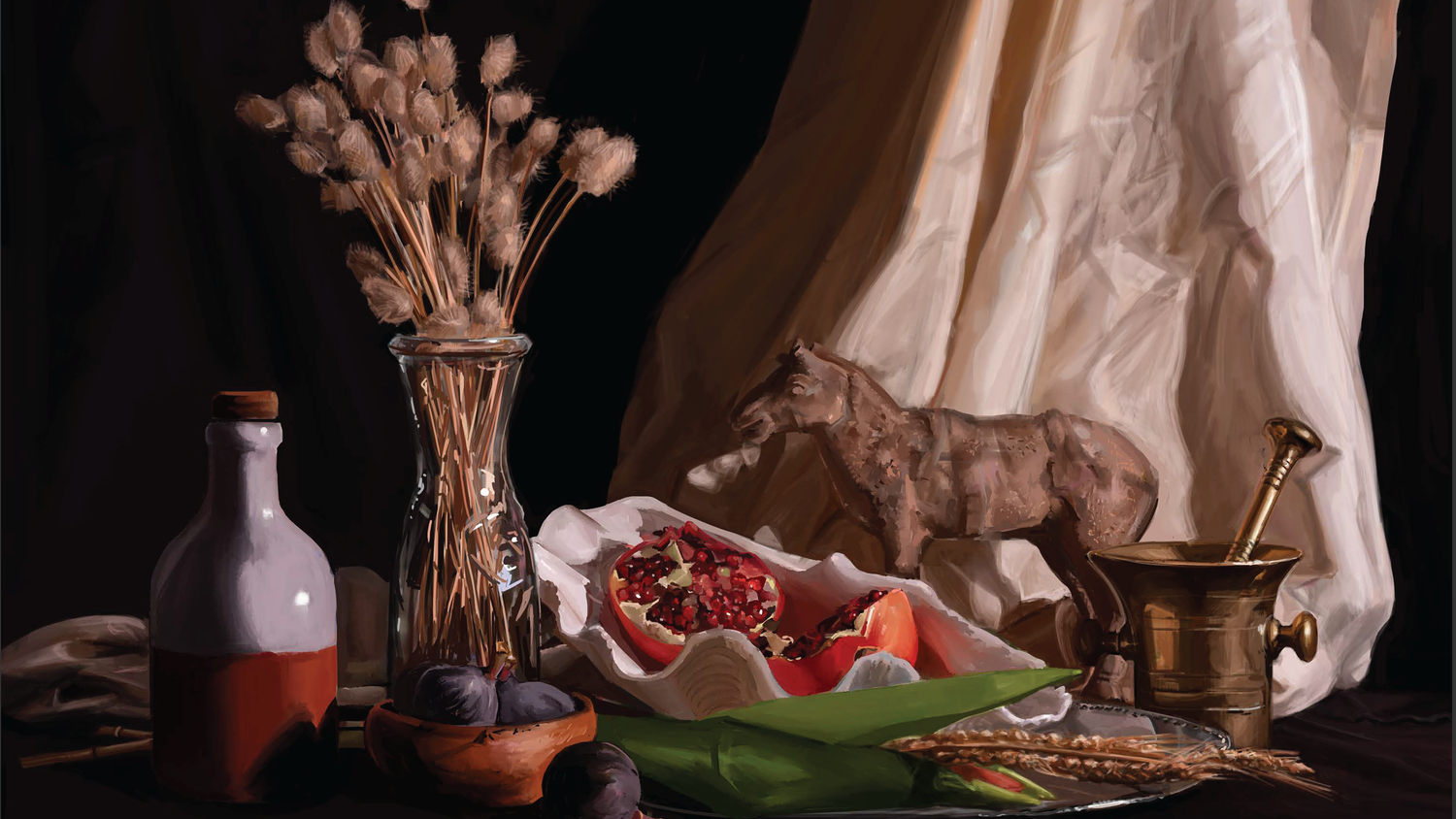
Digital Painting
Digital painting is not only a useful skill for artists but an expectation in the concept art industry. In this module students will learn how to capitalise on the tools that digital painting software offers, and how to use these tools in a way that advances their art and design skills. The module covers the basics of digital painting and rendering, brushwork, and how to represent forms, textures and materials effectively.
Module 5
Asset Design
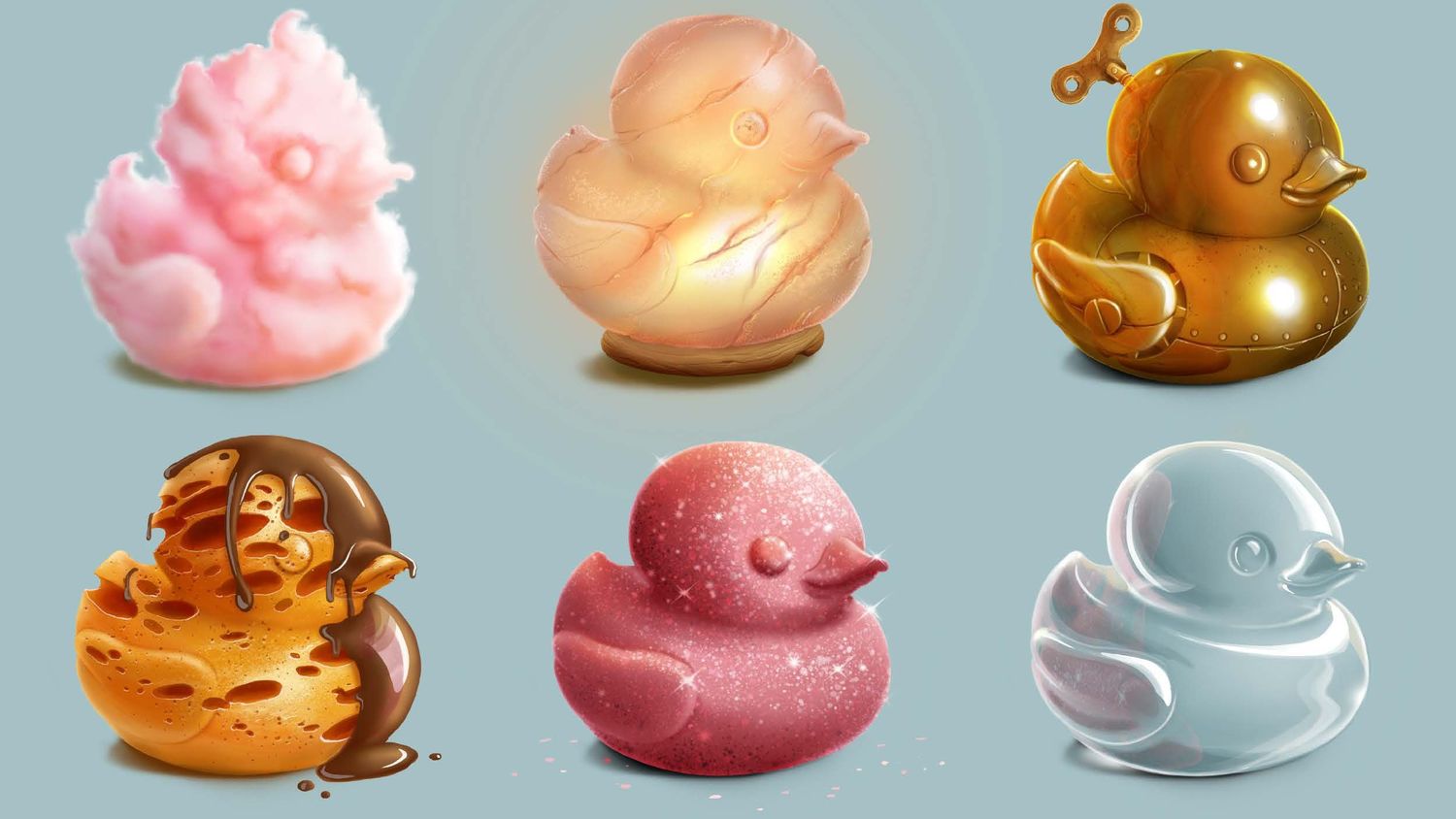
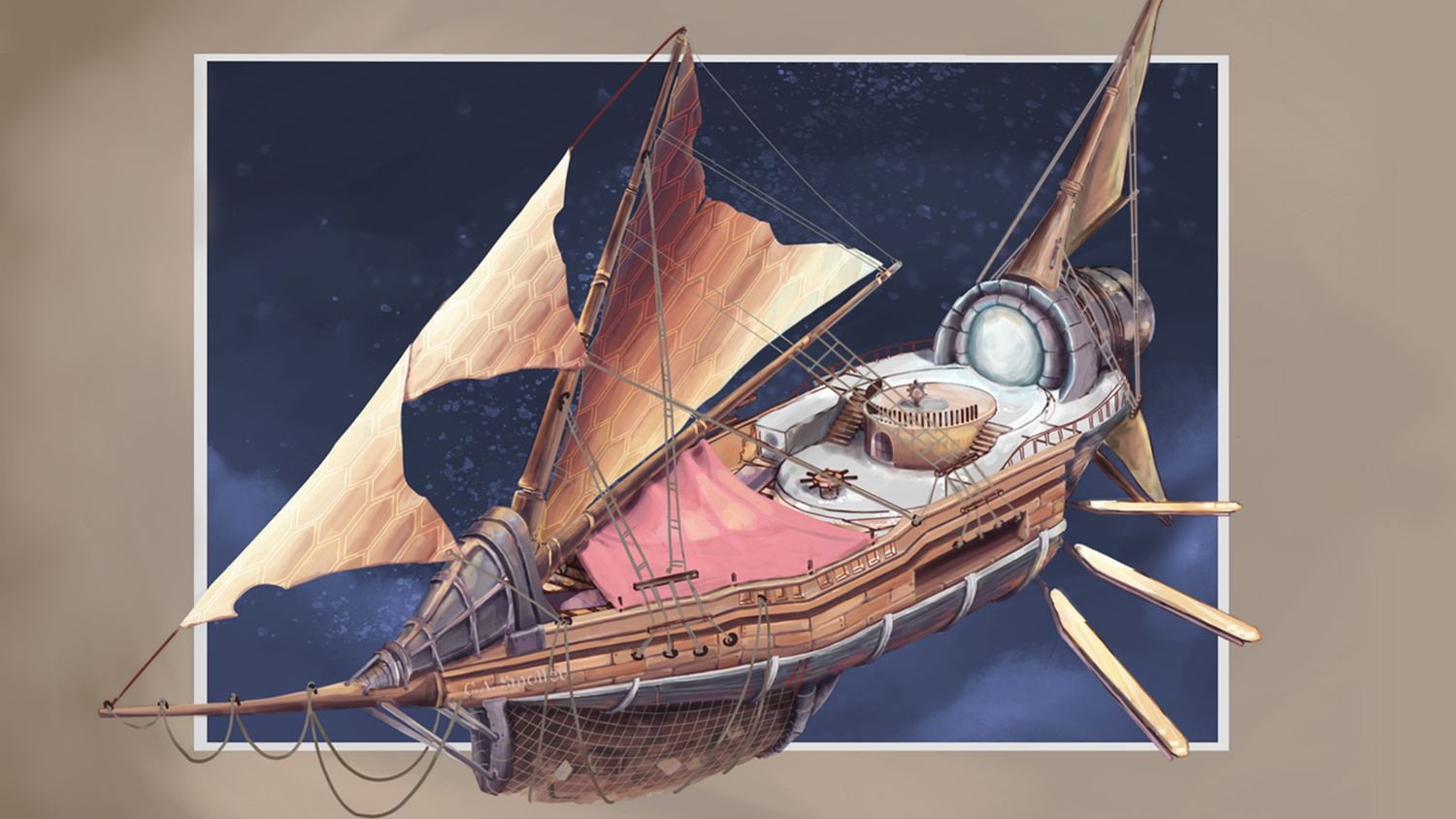
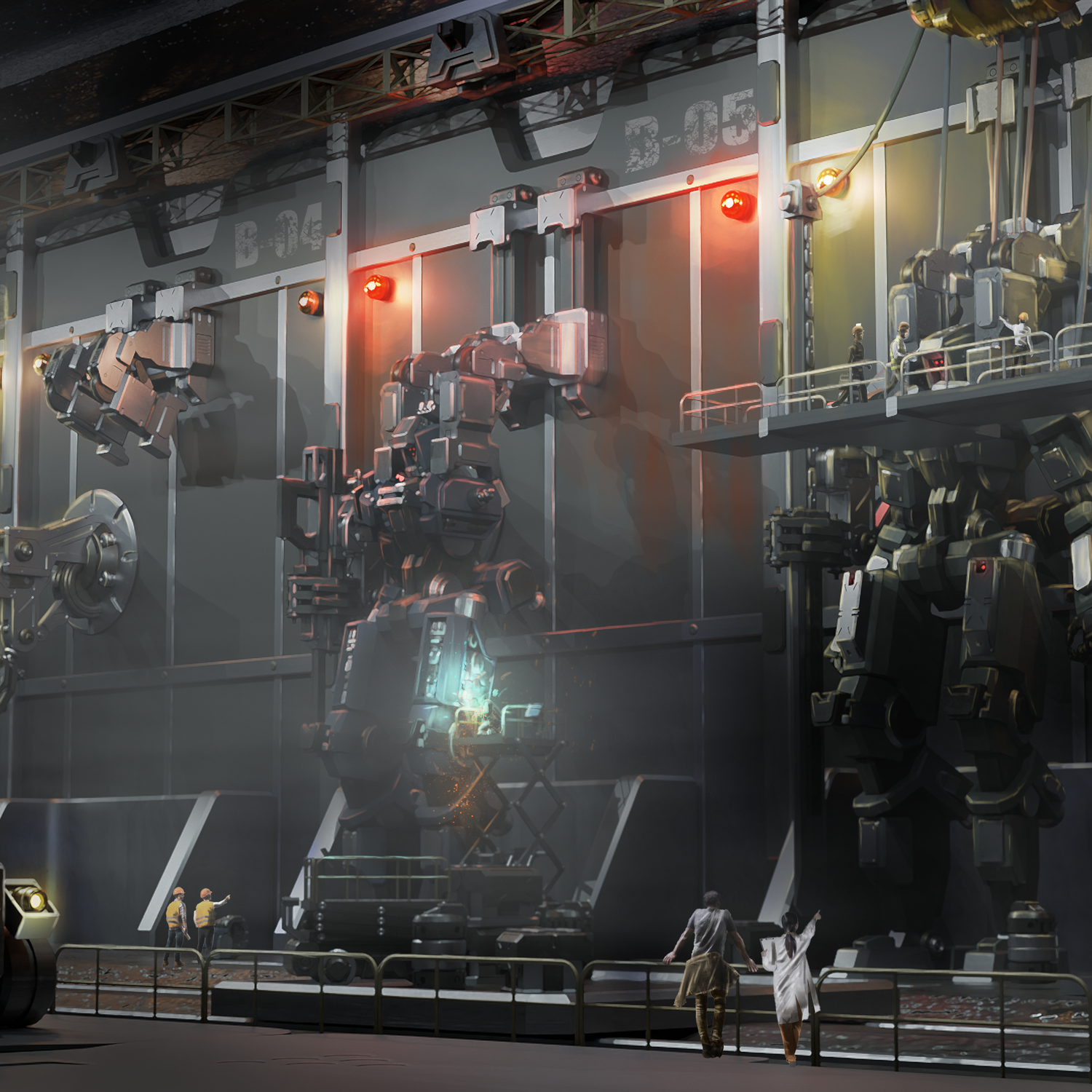
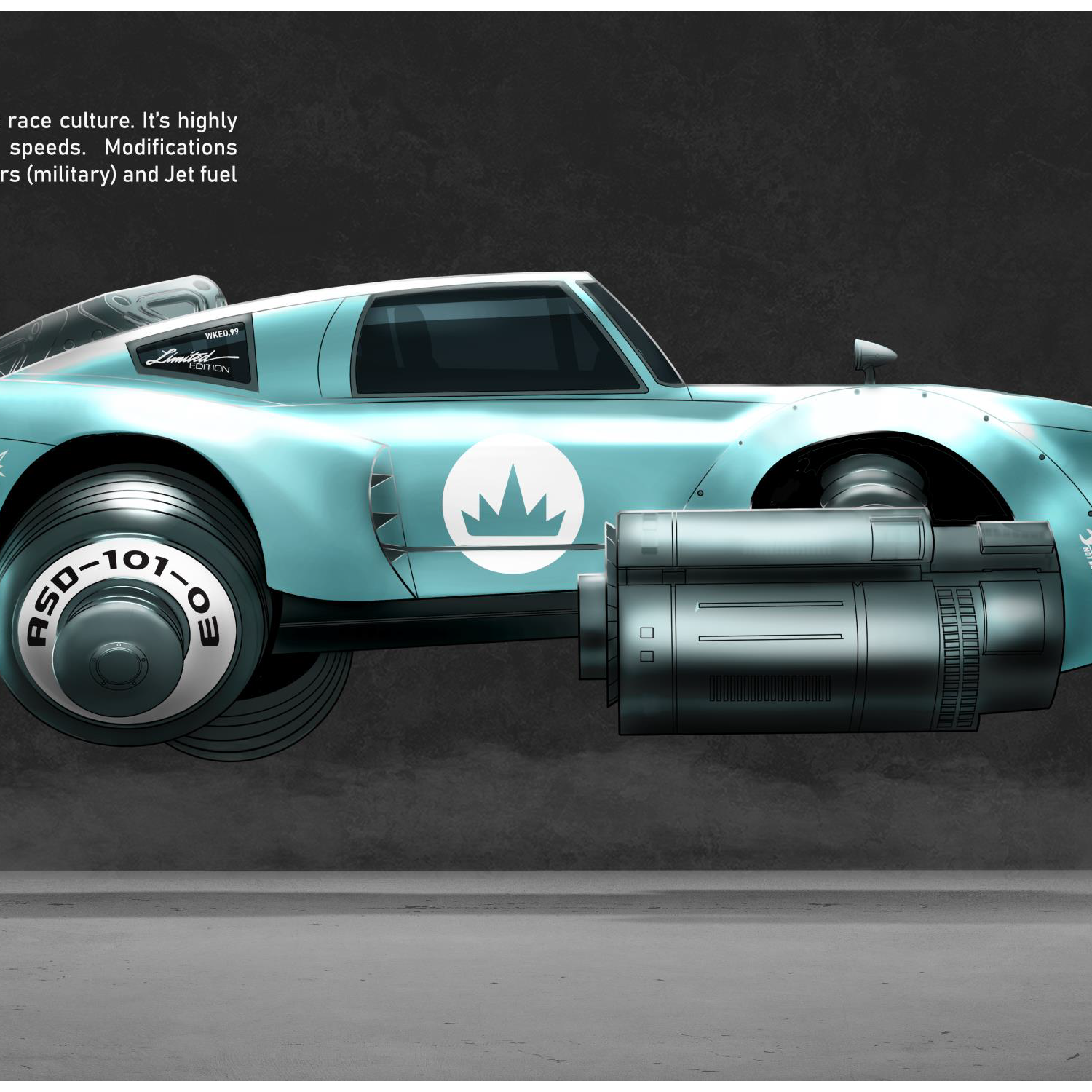
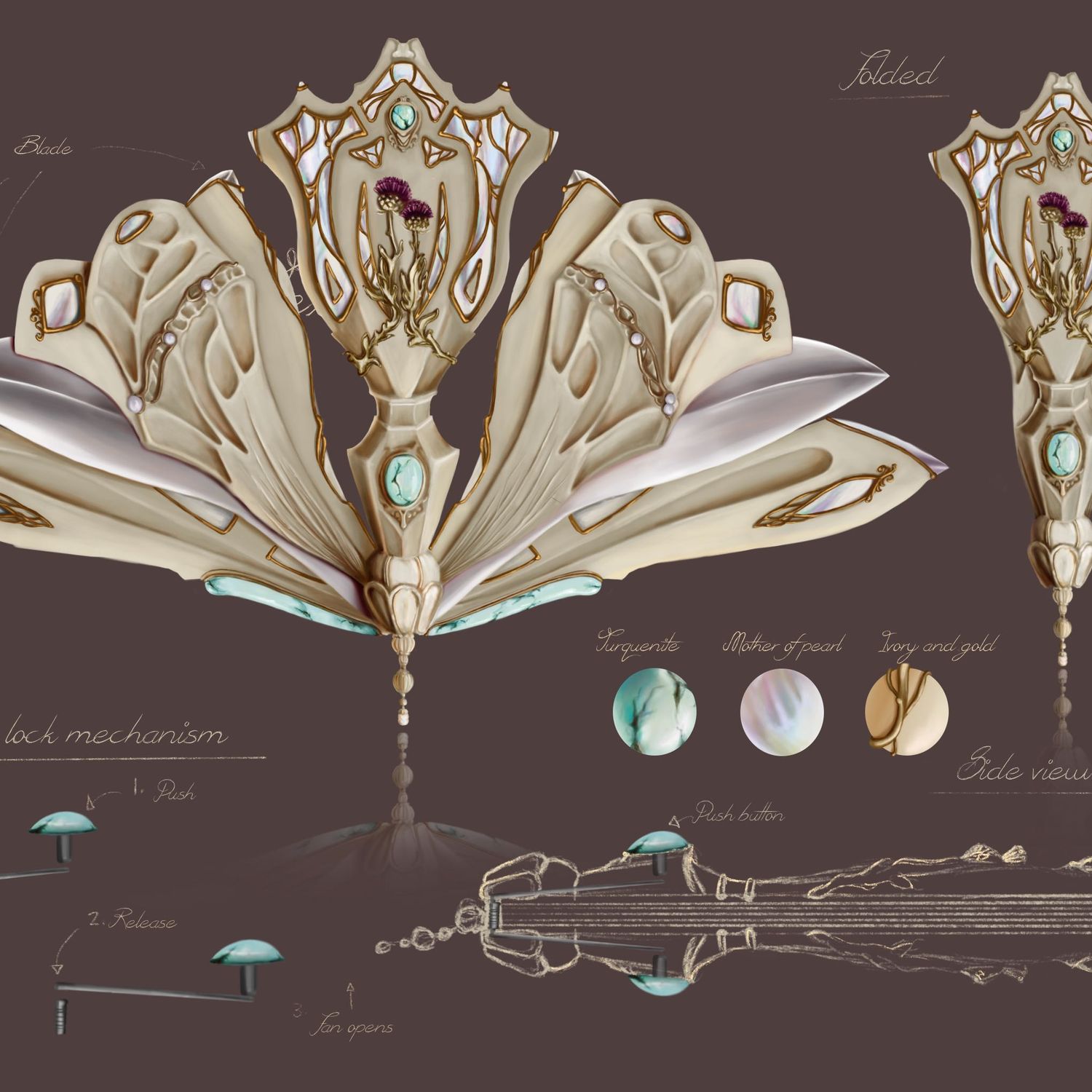
The Asset Design module is the first of the design-orientated modules of the programme. Here students will get to implement their hard-earned fundamental skills, as well as advance and showcase their design capabilities. The module focuses on the conceptualisation, design and execution of inanimate objects, ranging from simple handheld devices to complex vehicle and structure designs. It aims to equip students with the skills to execute their ideas as effectively as possible.
Module 6
Character & Creature Design
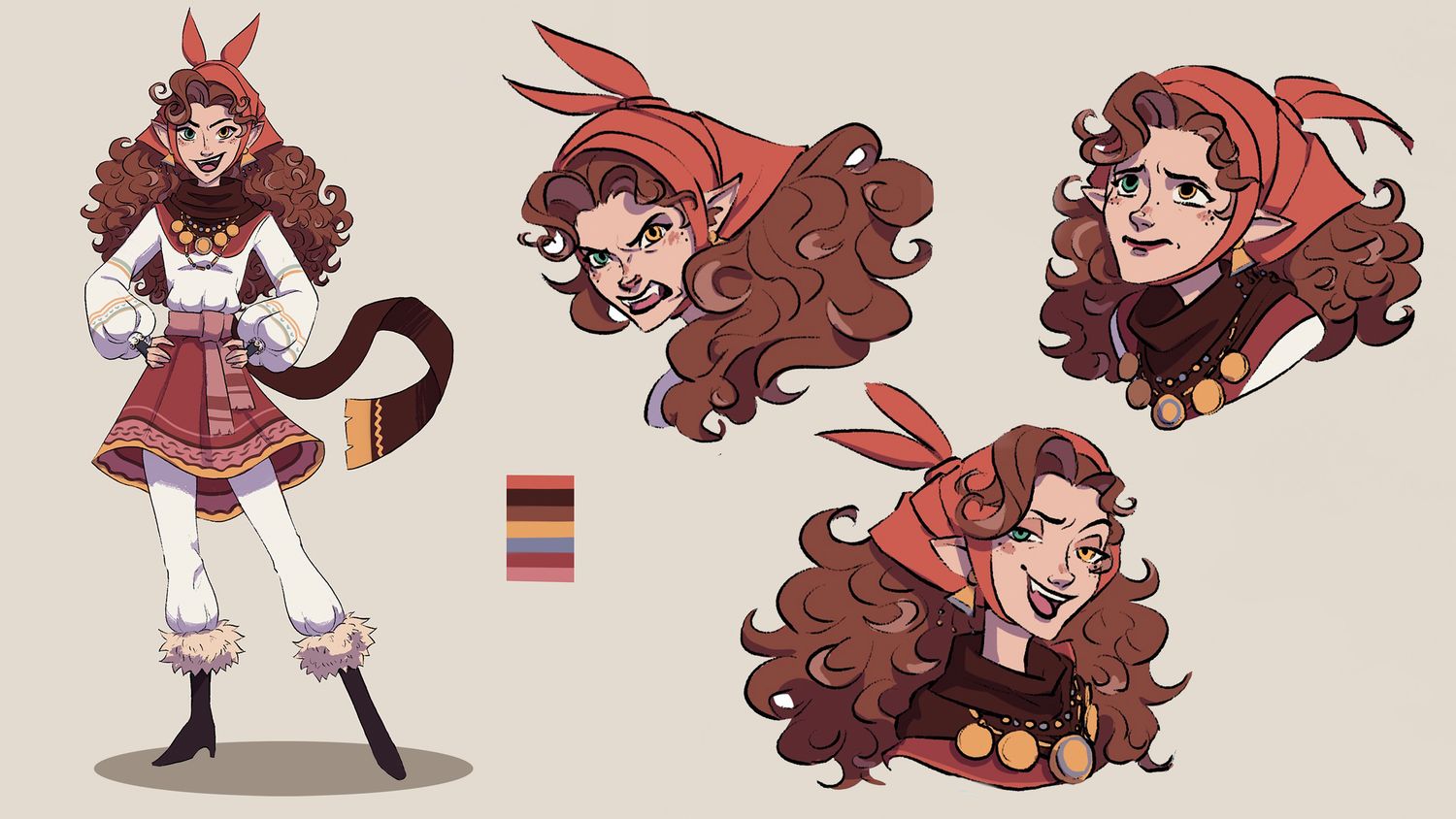
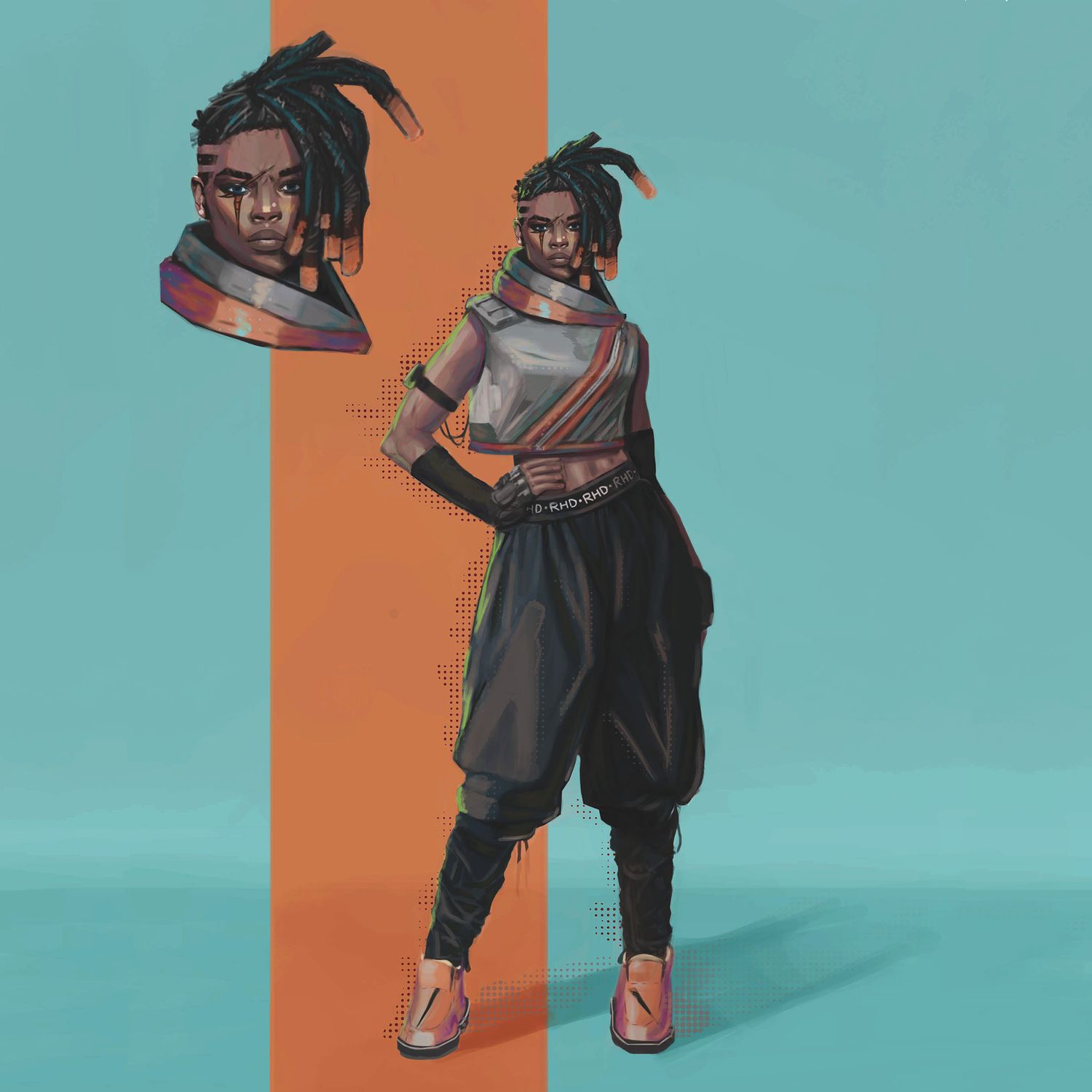
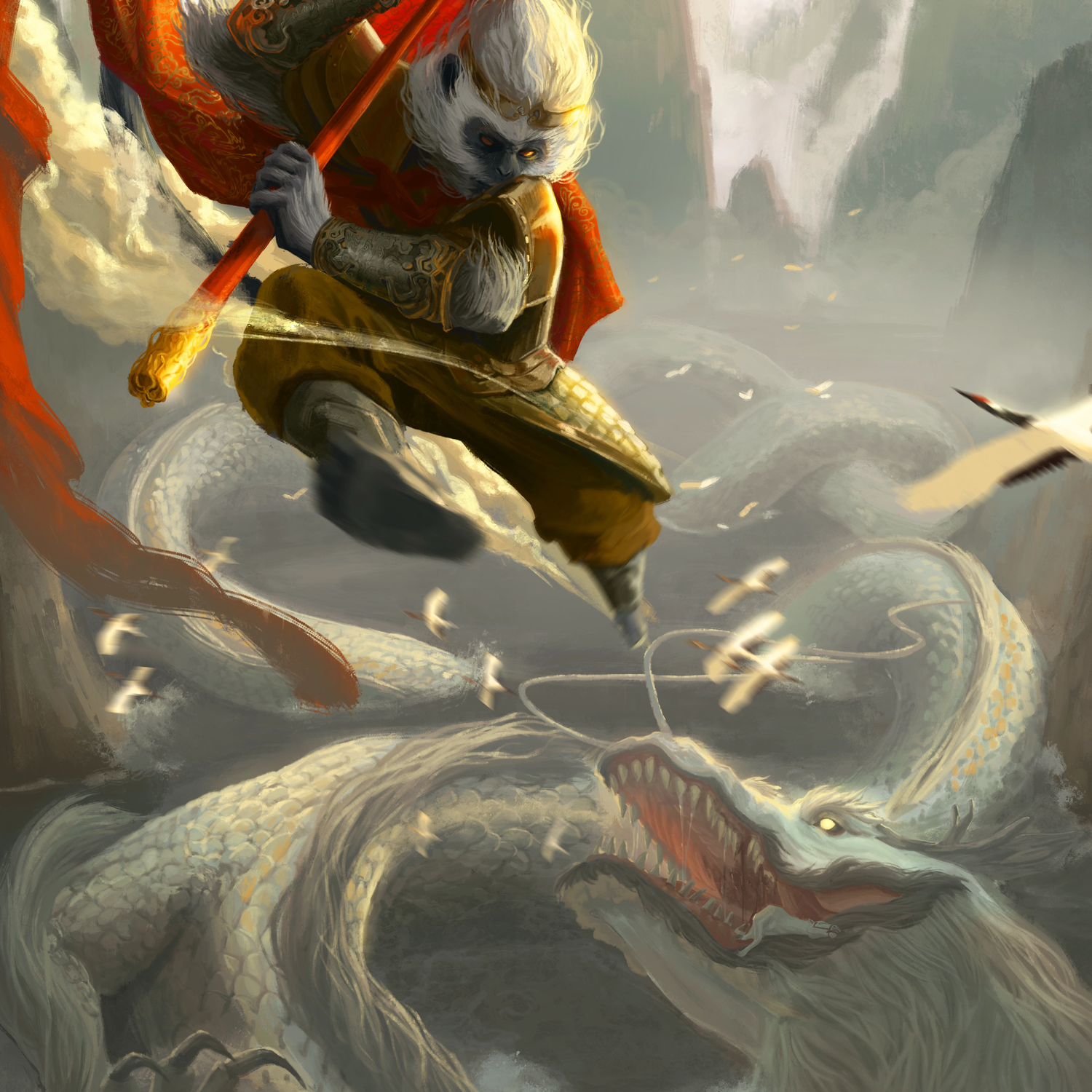
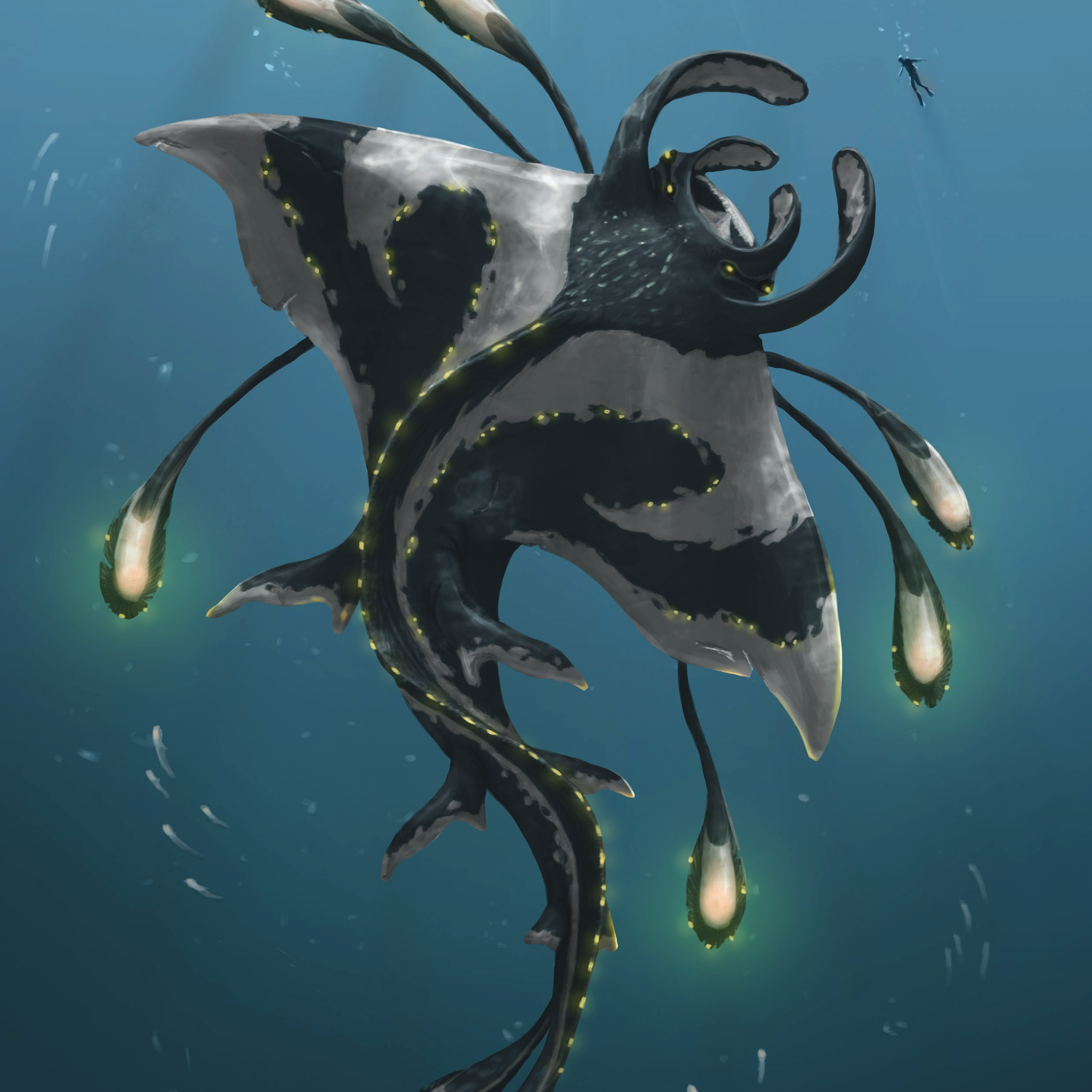
In this module students will explore the techniques and work processes used to design visually appealing characters and creatures for film, games and animation. They explore tools for conceptualising, designing and executing both stylised and realistic characters and creatures, and learn to master the shape language, colour theory and rendering styles that go along with the design and execution processes.
Module 7
Environment Design
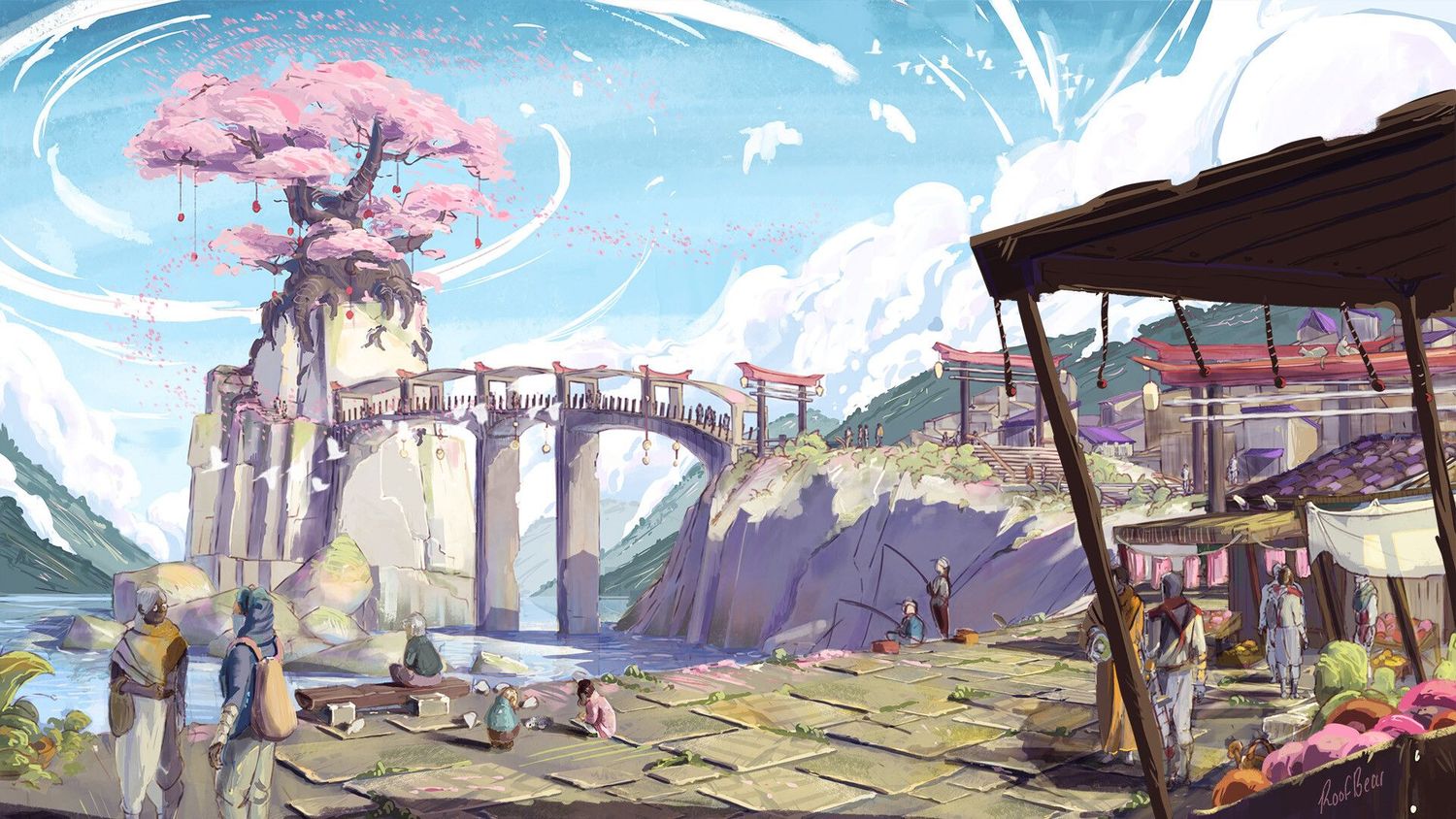
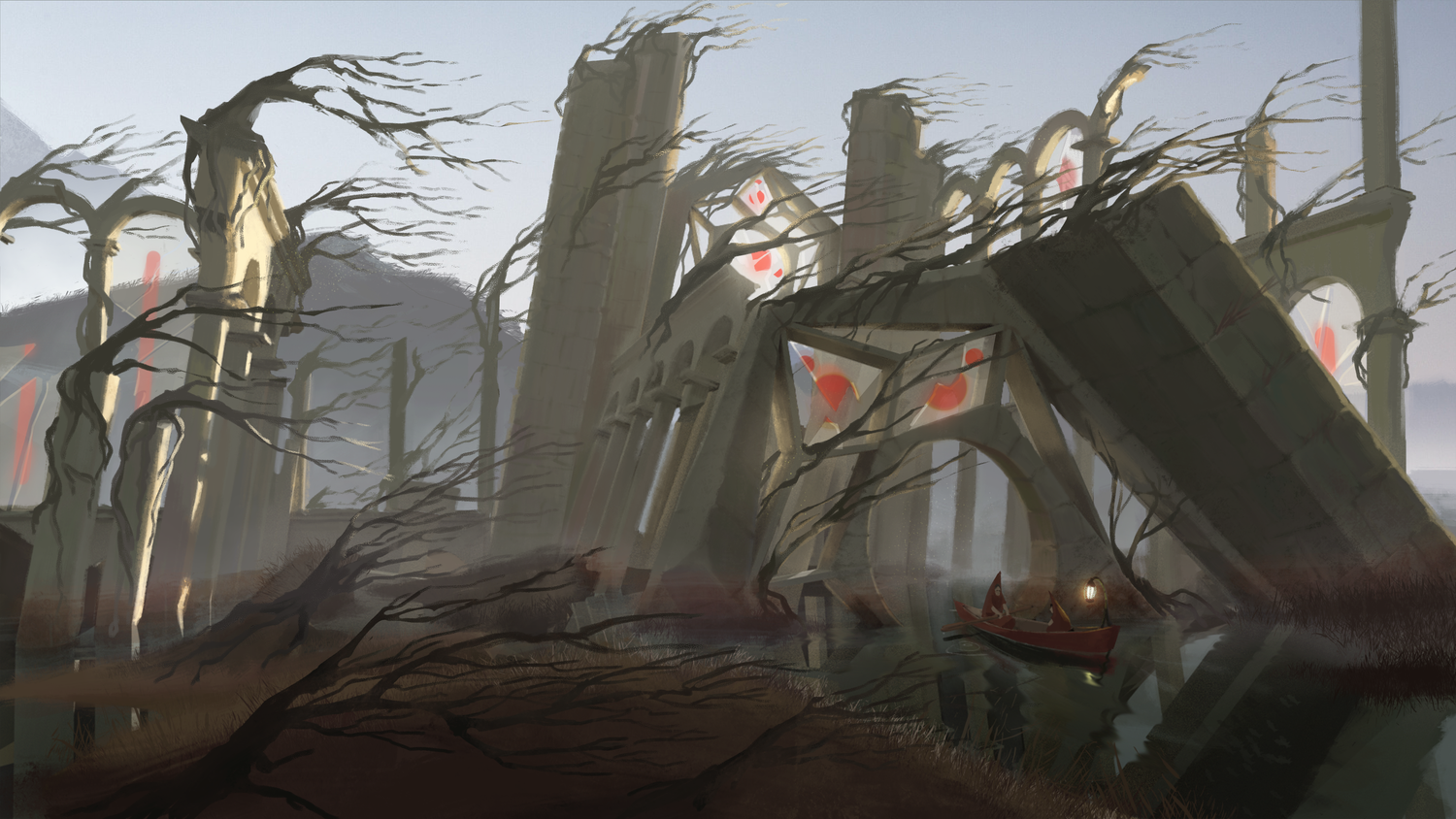
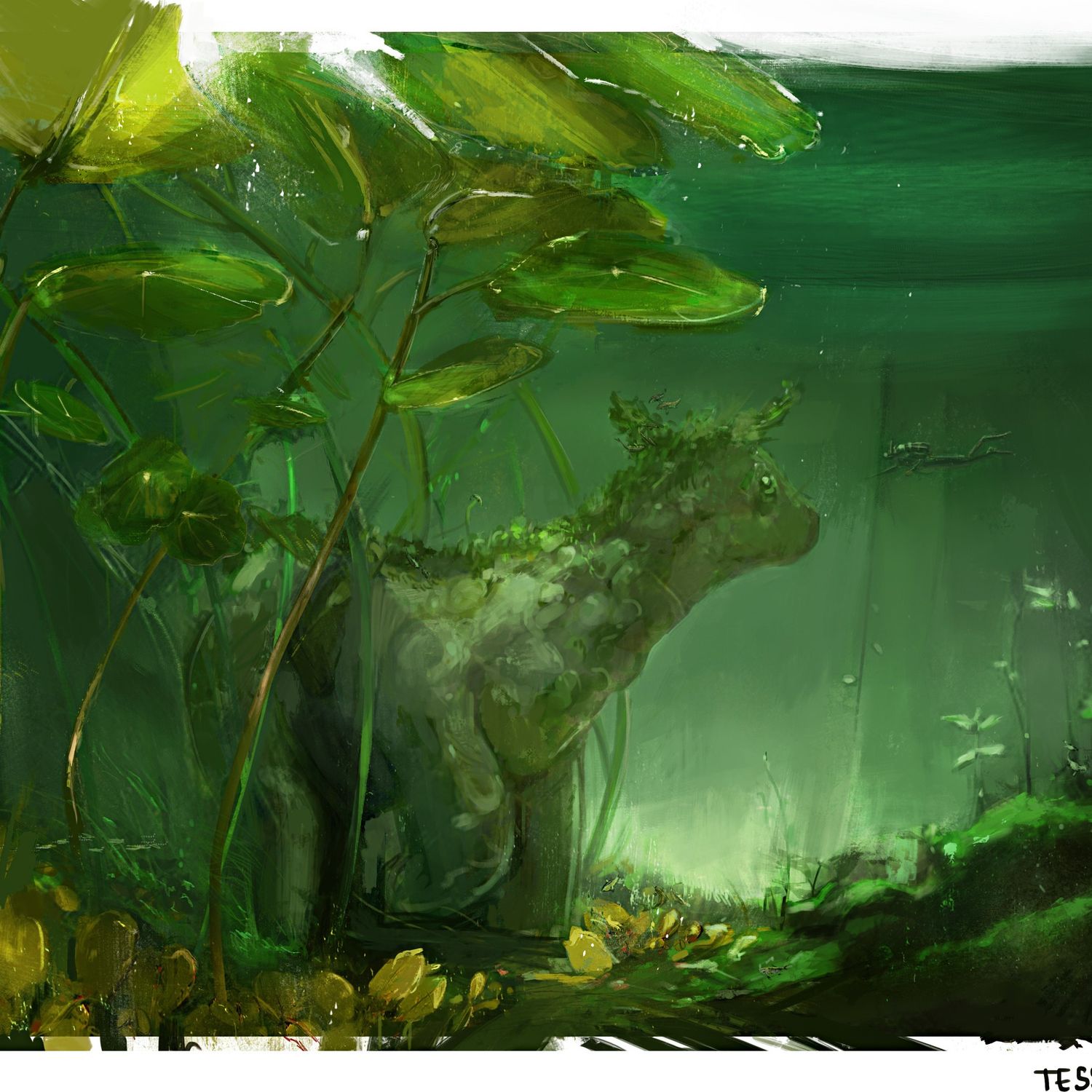
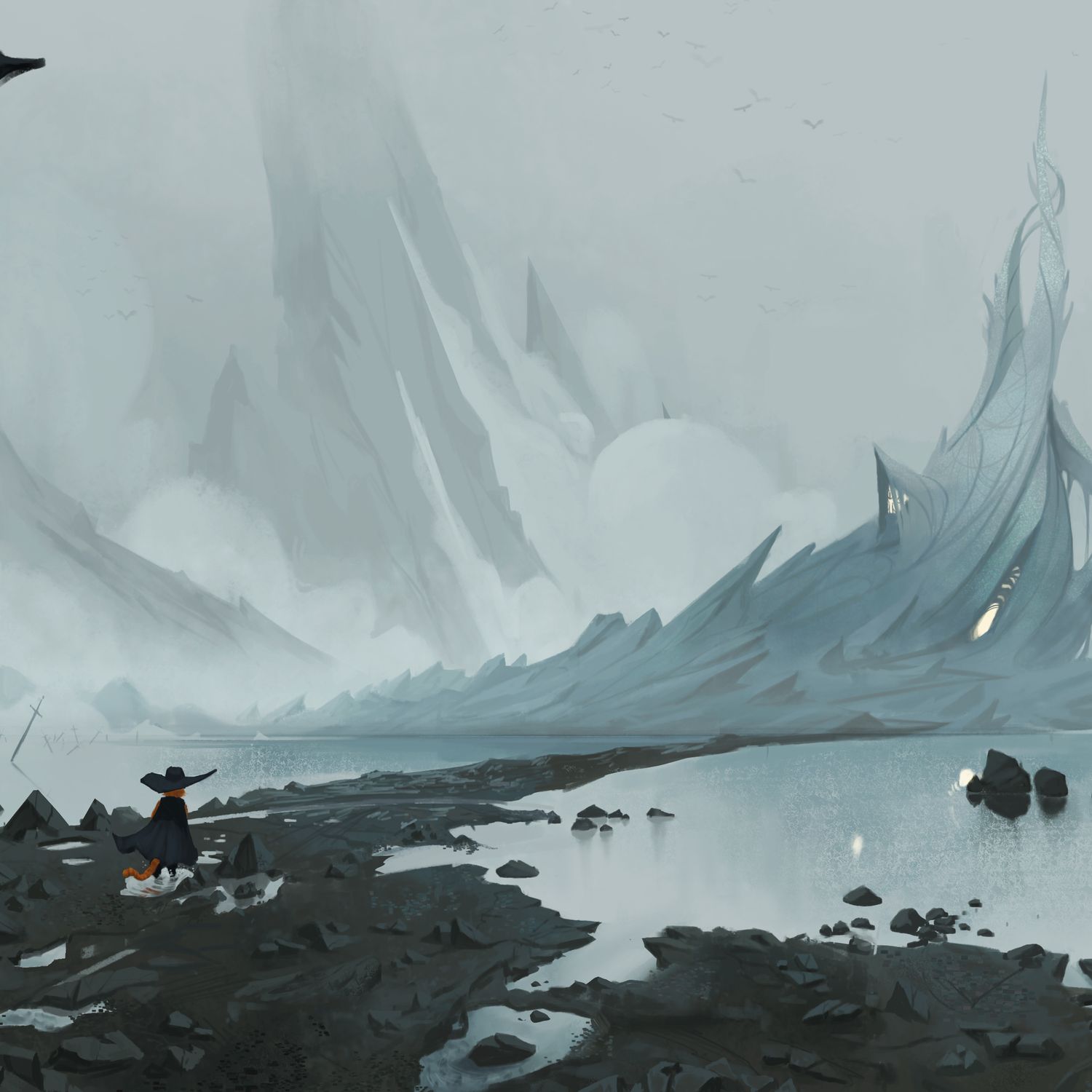
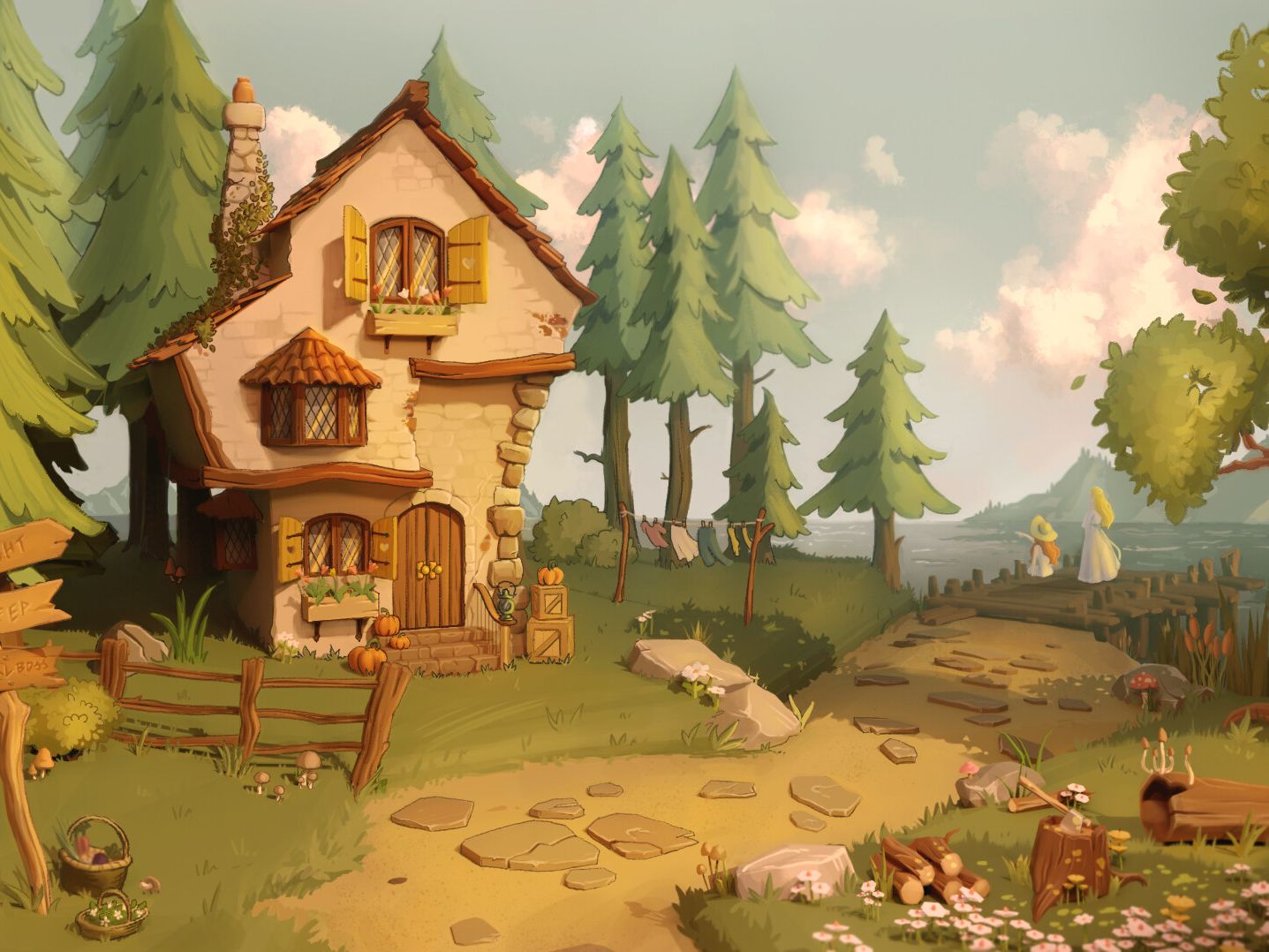
In this module students will walk through the process of designing environments for the entertainment design industry. This process starts with thumbnailing, designing with shapes and 3D frameworks, and progresses all the way through to complete, rendered environments. Renders are achieved by combining photo content, 3D bases and digital painting skills.
Module 8
Illustration
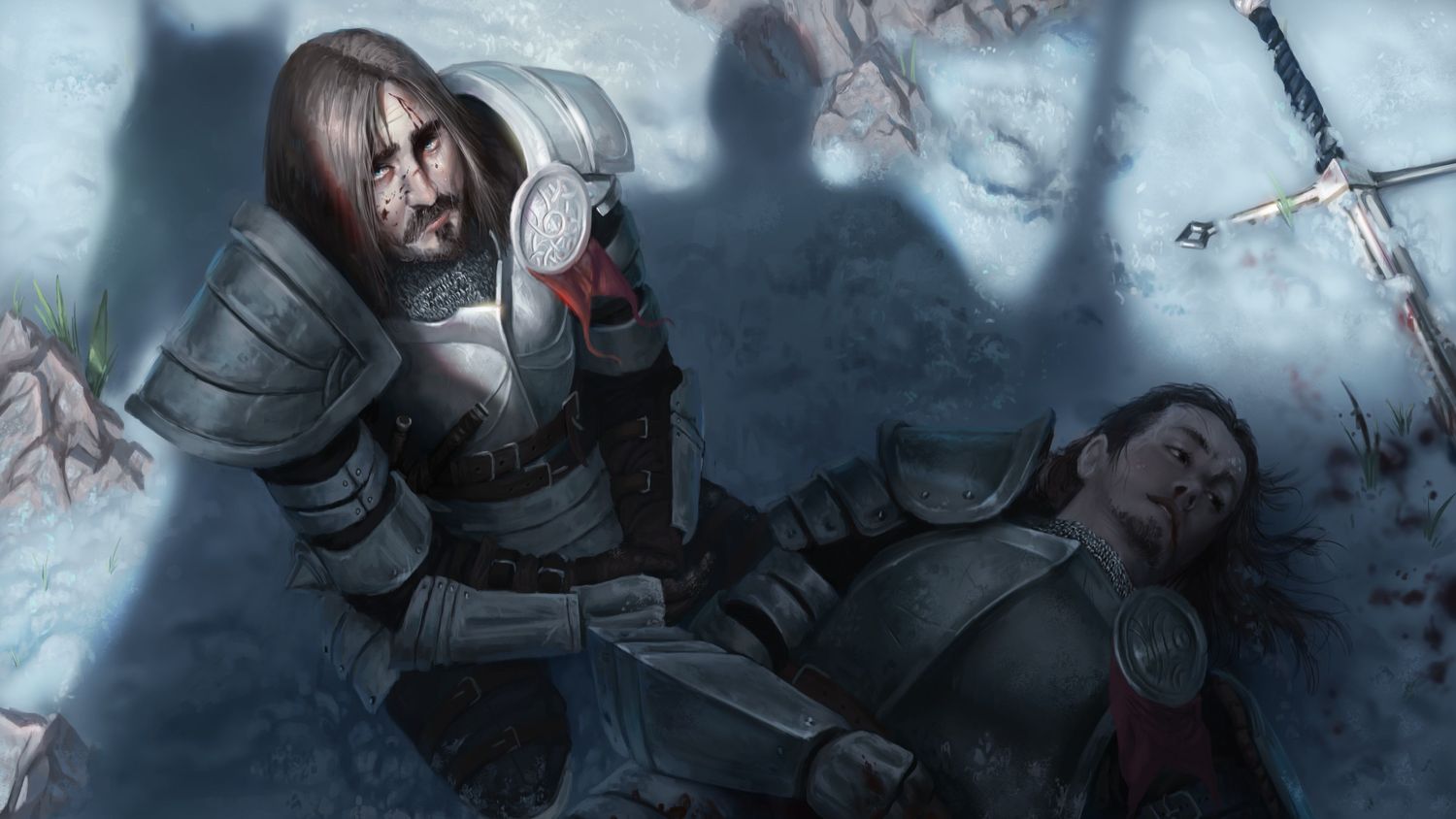
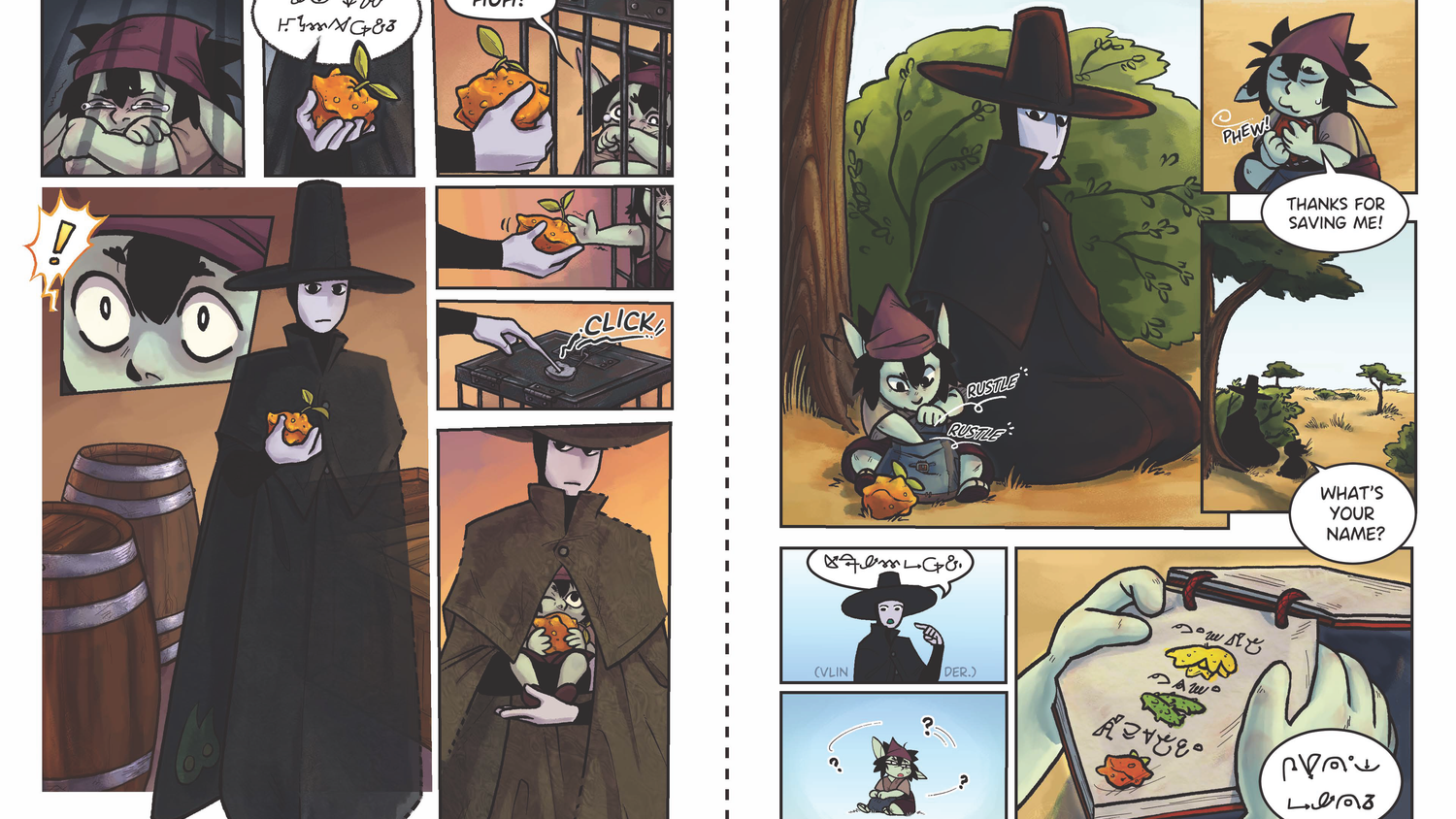
The Illustration module covers the tools needed to create complex, detailed, high-end illustrations. Students will take the knowledge they have gained about characters, environments and assets, and combine it into one cohesive illustration. This illustration will push their understanding of composition, lighting and rendering to new heights.
Module 9
Campaign Design
The Campaign Design module combines all the skills taught throughout the year and requires students to do world building and design for a cohesive campaign. This includes designing characters, creatures, assets and environments with a cohesive aesthetic and style, and presenting them as the beginnings of a film, game or animation project for the entertainment design industry. Here students combine their own creativity with the high-level skills they have acquired over the year to create a structured and complete representation of their skills as concept artists.

Module 10
Business Practice
Here students are equipped with the business skills that will allow them to conduct themselves as professionals after completing the programme. This includes essential skills from setting up and sending quotes and invoices to assembling a portfolio that showcases their best work from the year. This portfolio will serve as a tool to win clients or gain placement in the industry. After building their portfolios, students have the opportunity to take part in the Student Showcase, which displays graduating student work to industry leaders, family and friends. Because industry leaders can meet the students and evaluate their work in person, many graduates receive their first job offers as a result of this event.
Get the 2027 Concept Art prospectus
Curriculum, entry requirements and 2027 fees in one PDF. Tell us where to send it.
Admission Requirements
Matric Completion
The minimum admission requirements are a valid matric (Grade 12) certificate or NQF4 equivalent.
Creative Portfolio
- A master study (copy of an artwork that you admire – please include the reference image used)
- A character, creature, asset or environment you designed yourself
- A minimum of 5 additional artworks (free choice)
Motivational Letter
A letter telling us why you want to study Concept Art
A virtual learning motivation, if you are applying to study online
Fees & Funding
Payment Options
Filter by Installments:
Yearly / upfront (1 installment)
Full payment upfront
R 7 100 per month
Paid annually
Admin fee: R 1 000
Deposit: R 4 000
Price shown above excludes the admin fee and deposit listed here.
What Next?
01 Sign up for Open Day
Visit our campus and meet us in person. During our Open Days visitors can view our classrooms, chat to lecturers and students and get a sense of why our students love studying with us.
02 Apply online
Our application process is fully online. Follow the start my application link to begin your registration process. Create a profile and complete your application at your own pace.
03 Submit with your *portfolio
Once you have created a profile, you will be able to upload all your application requirements and portfolio of work *(Note that some courses require this whereas others have it listed as optional). Visit your profile dashboard to review missing elements.
04 We can’t wait to meet you
We may request an interview to get to know you better and shortly after we’ll advise if you’ll be receiving that oh-so important acceptance letter. Get ready to kickstart your creative career and join your tribe at the Academy of Digital Arts!
Frequently Asked Questions
Before You Apply
Start your Concept Art career in 2027
Applications for 2027 are open. Apply online at your own pace, or meet our lecturers at Open Day first.