Online/On-campus | 1 year | Higher Certificate | NQF Level 5
Graphic Design
Create innovative logos, adverts, brochures, book covers, and more through design and illustration
What you'll learn?
Graphic Design
Duration
1 year
Next course
11 February 2027 – 01 December 2027
Price, starting at
Why Study With Us?
Discover the Art of Visual Communication.
Visual communication transcends all languages, nationalities and cultures, conveying powerful messaging through the artful combination of shape and form. This dynamic industry is playing a growing role in a multitude of business sectors, providing skilled graphic designers with a wide array of opportunities to choose from.
Created specifically to fulfil the skills requirements of this global industry, the Academy of Digital Arts’ Graphic Design Course will equip you with all the creative tools and technical software skills necessary to make your mark from day one.
What You Will Learn
Conceptualisation & Design Thinking
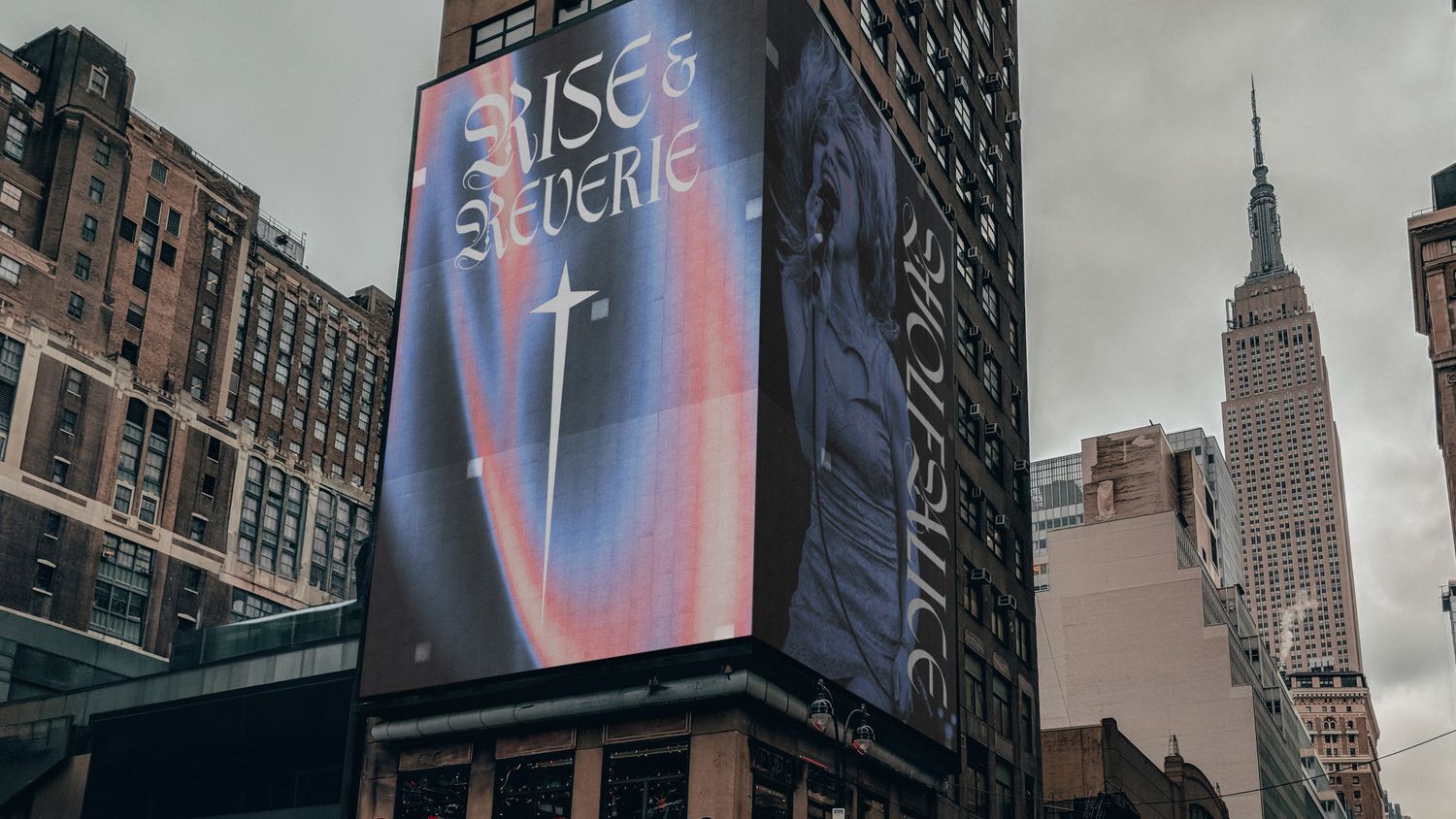
The ability to think conceptually and design with purpose to fulfil a specific need are fundamental requirements for any creative career. At the Academy of Digital Arts, we’ll teach you techniques and processes for effective conceptualisation and ideation that will become the foundation for every design project in your future career.
Software Tools & Technical Skills
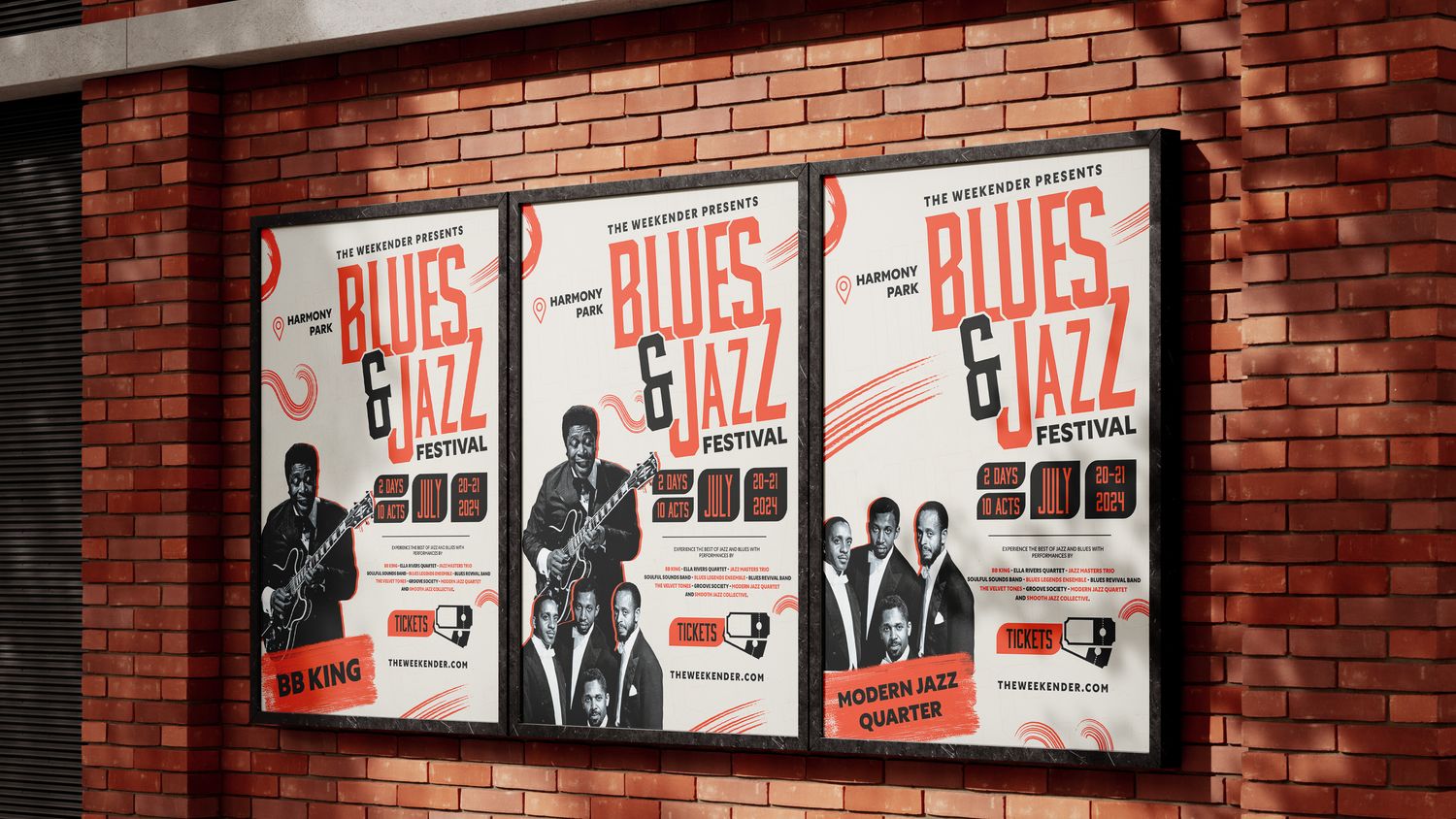
Tools and technical skills help designers turn ideas into reality. Without the amazing technology available to us today, we would never be able to execute the majority of our concepts. You will learn the full suite of Adobe tools that have become Graphic Design industry standards, and develop the ability and the curiosity to keep updating your skills in this dynamic and ever-evolving area.
Design Elements & Principles
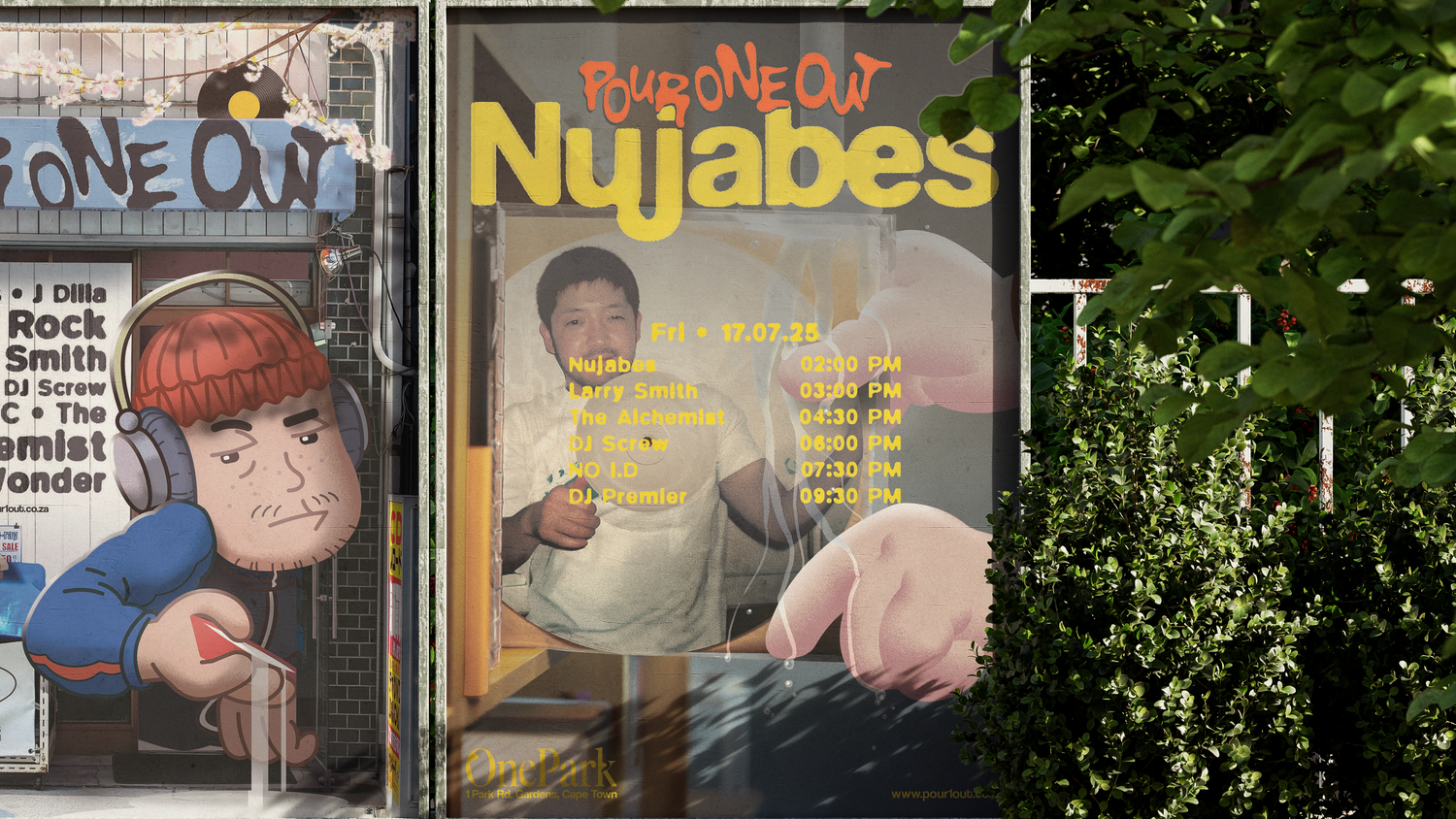
Understanding what attracts a viewer to a design is essential for any designer hoping to achieve a specific outcome from a project. During this Graphic Design course, you’ll learn about the elements and principles that create good design and communicate clearly to an audience. You’ll also experiment with the potential of strategic rule-breaking for creating unexpected effects.
Professional Practice & Industry Readiness
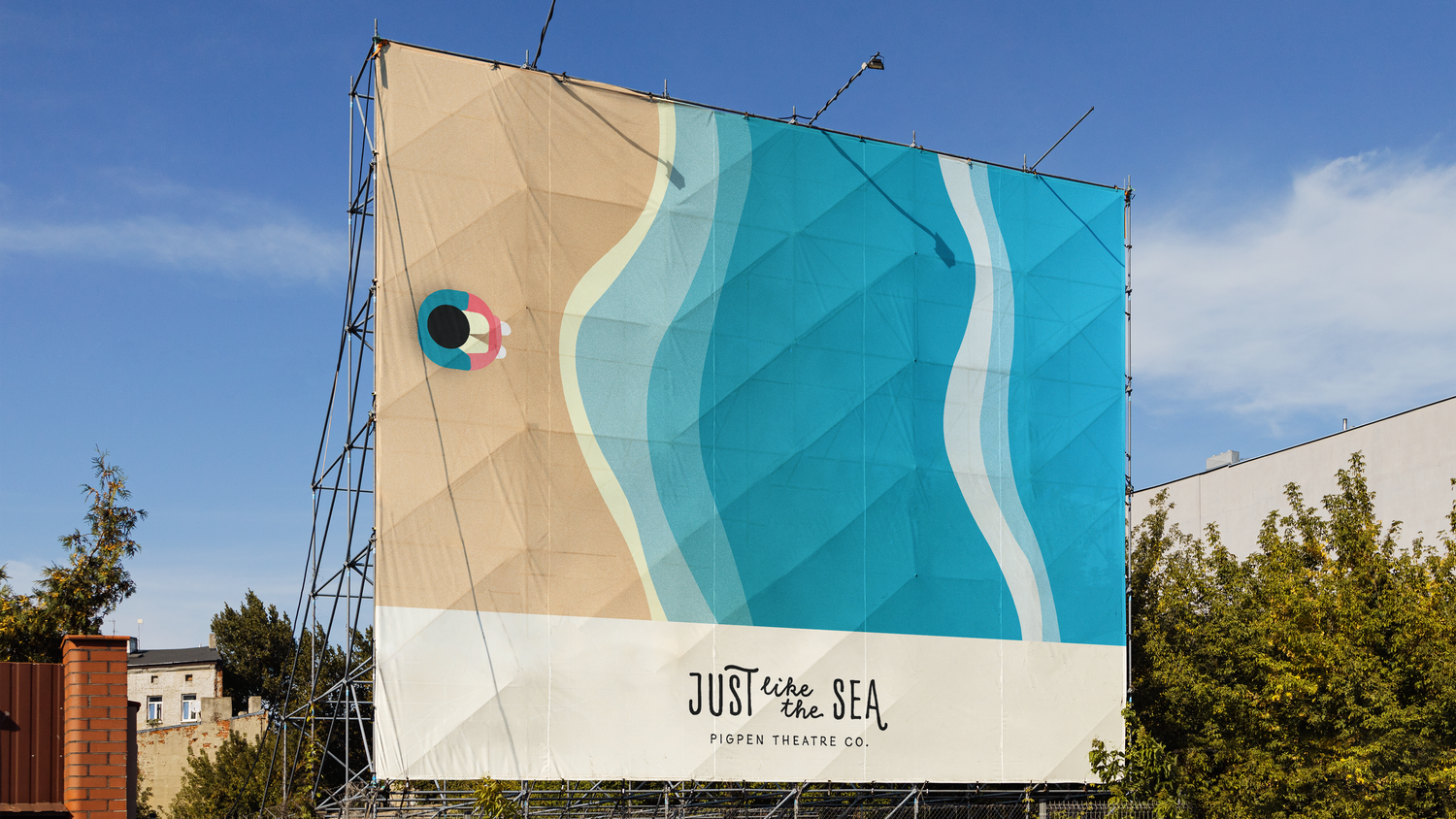
Understanding business processes is a huge bonus when entering the workplace, enabling you to be a confident and productive member of the workforce from your very first day. Your lecturers, all of whom are active in the industry, will familiarise you with the professional environment and teach you to communicate with your peers in a professional and informed way. This gives you an edge in the workplace and a secret weapon on the job market, too!
Note: Upon completion of this course you will be awarded the Higher Certificate in Print Design and Publishing, NQF-level 5 (SAQA ID 85248, HEQSF-aligned, H/PR432/E002CAN, 152 Credits).
Curriculum Overview
Year overview
Module 1
Introduction to Design
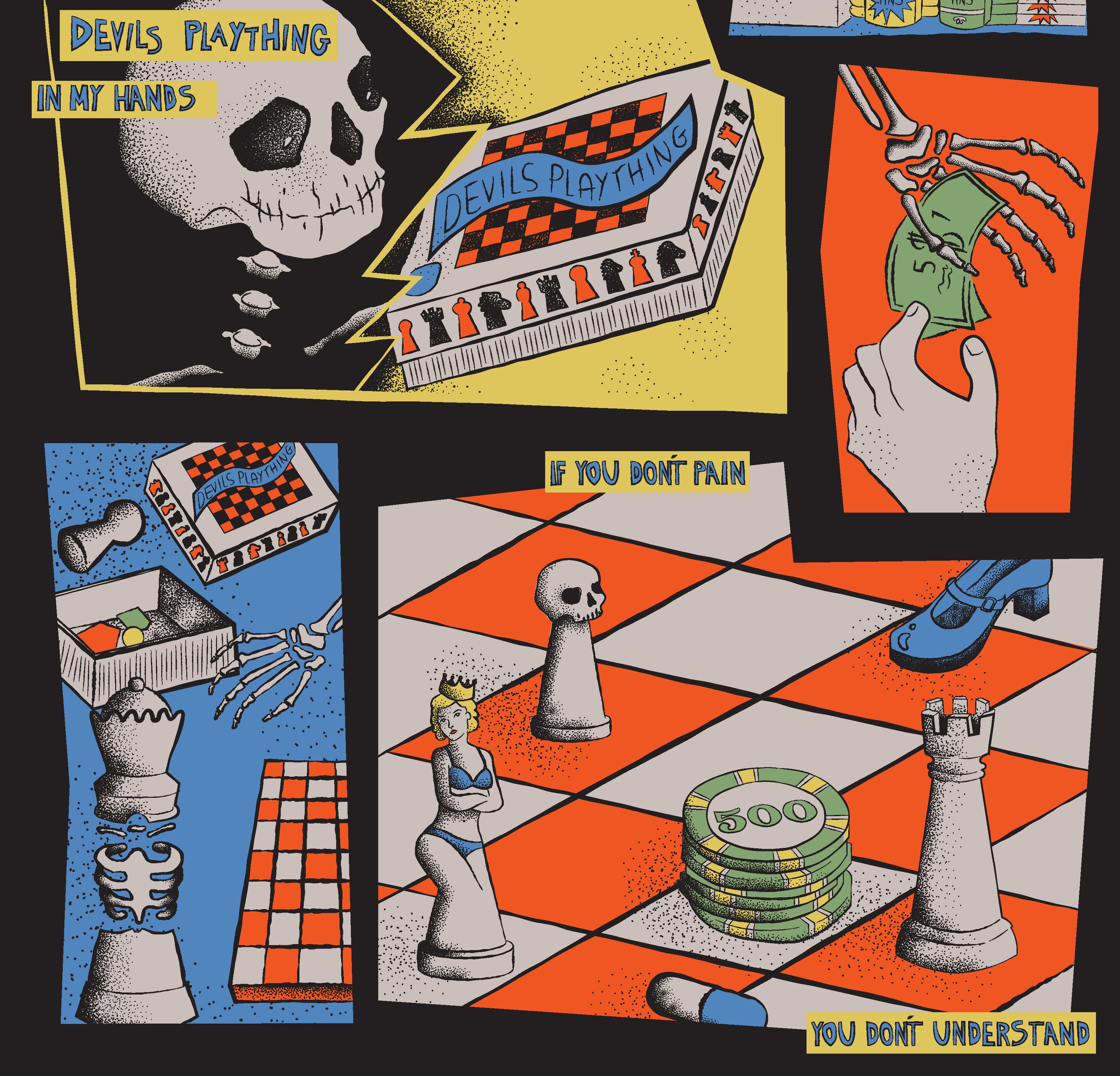
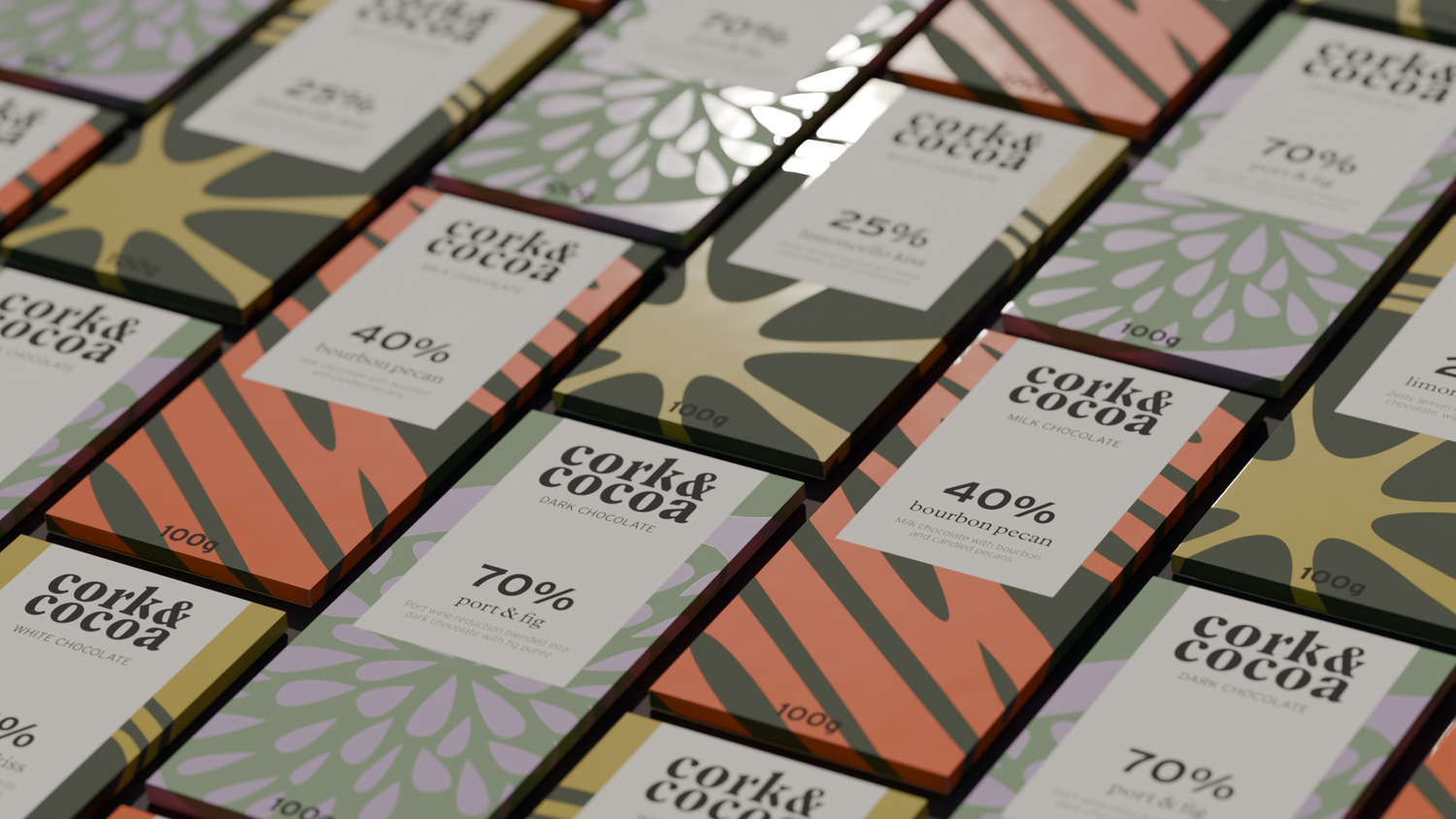
The module consists of two subjects, Design Theory and Freehand Rendering. The first subject will provide you with an understanding of the role designers play in society. We will introduce you to the world of graphic design by looking at design history, as well as examining international and local designers who have had an impact on the discipline.
We will introduce you to the design process, as well as the design theories and principles that make up the foundations of graphic design. The most important topic covered is conceptualisation techniques, the very first step in the design process. This theory, along with practical exercises, will kickstart your journey in the art of communication and creative thinking.
Module 2
Communication Design
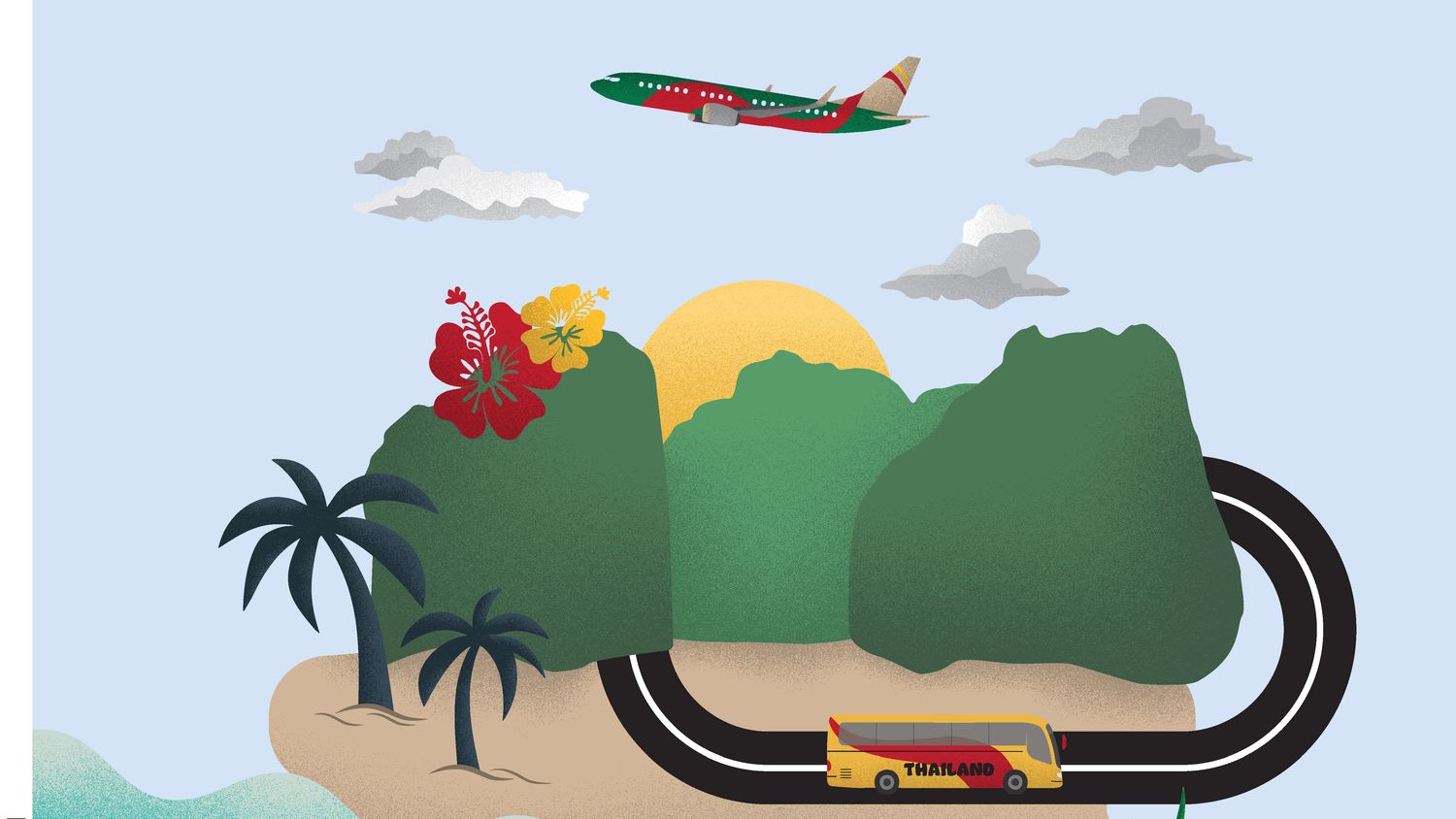
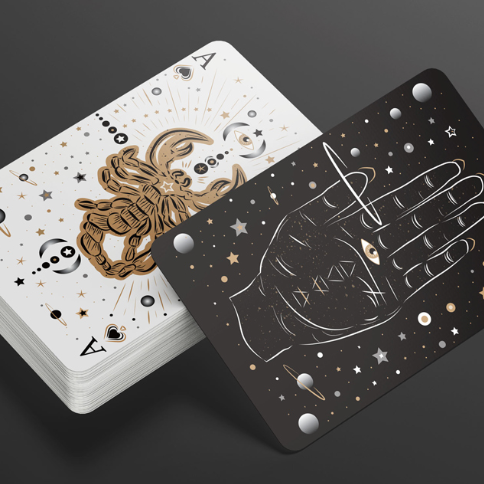
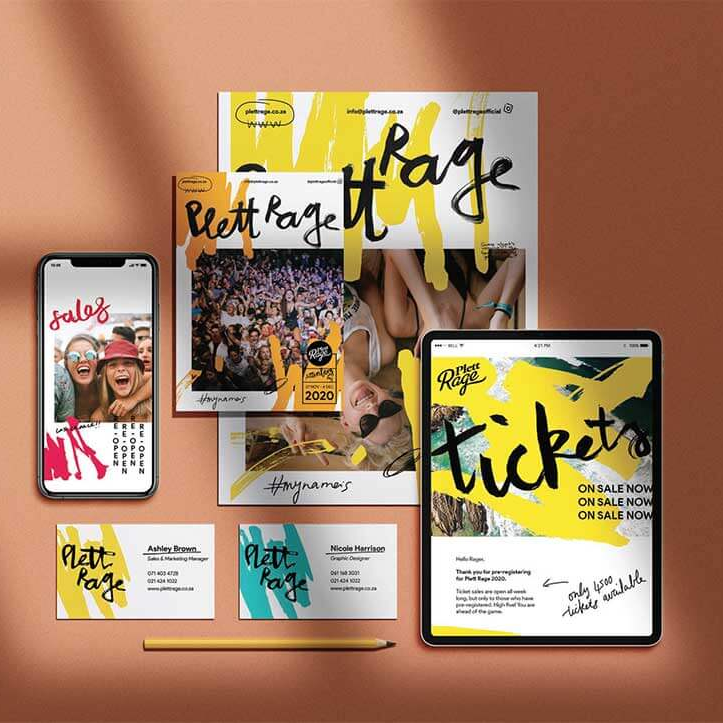
Communication Design teaches you the theories of branding, with a focus on developing a logo, corporate identity and brand. These, along with developing brand characteristics, brand positioning and applying a brand’s visual language and style to collateral, are the foundation of learning how to design for and target a specific audience.
Once you have these key skills under your belt, you begin your journey in digital illustration. All this theoretical knowledge is taught together with Adobe Illustrator, where we will take you from beginner level through to an advanced skill level.
Module 3
Digital Image Manipulation
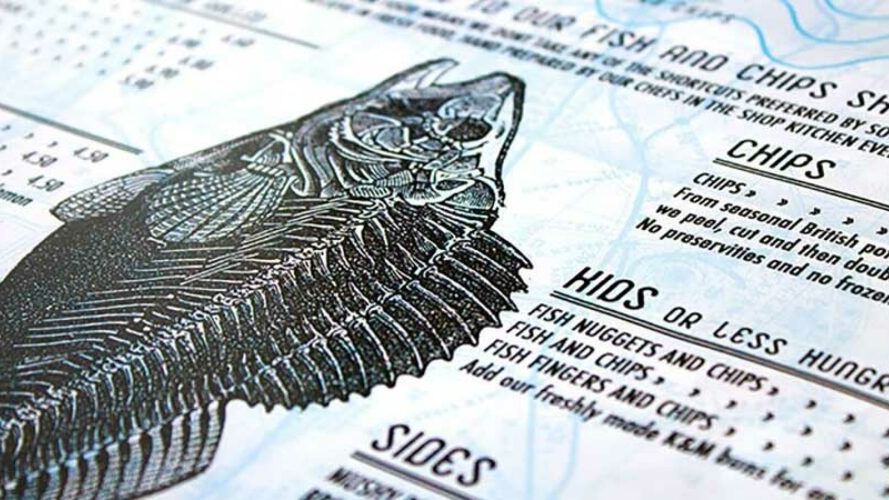
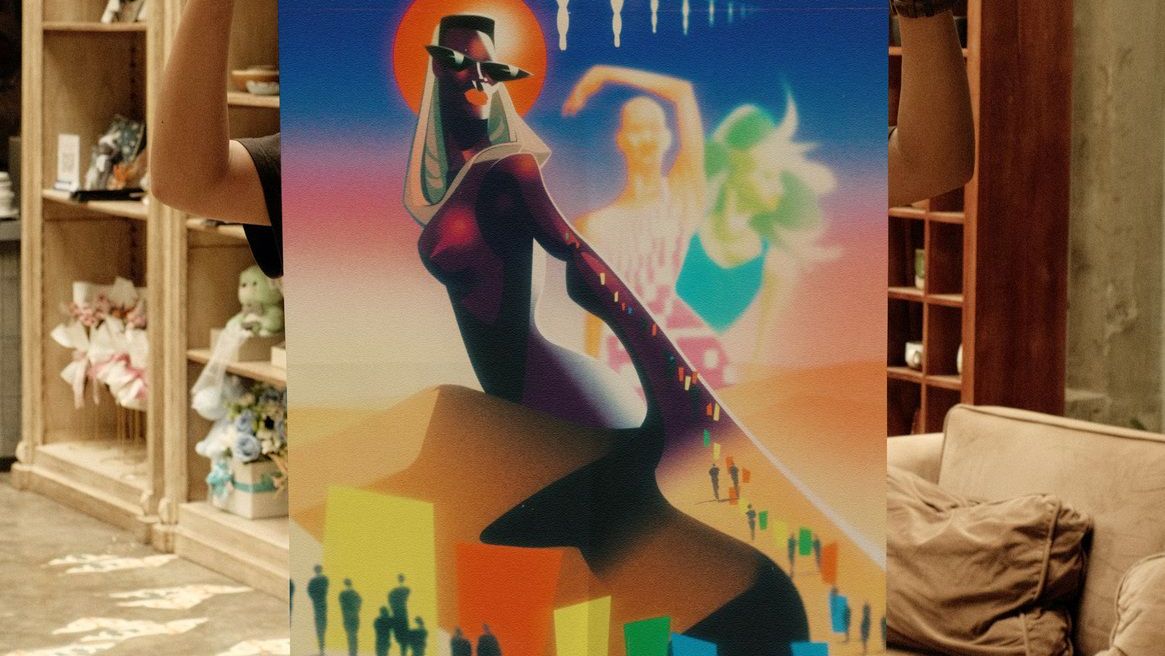
Digital Image Manipulation will help you understand and practically demonstrate the manipulation of raster images. Poster design theory and advertising are taught, along with the fundamental skills needed for retouching, combining multiple images and digital painting using Photoshop. Here, you will build on the design theories, principles and elements taught in previous modules.

Module 4
Layout Design
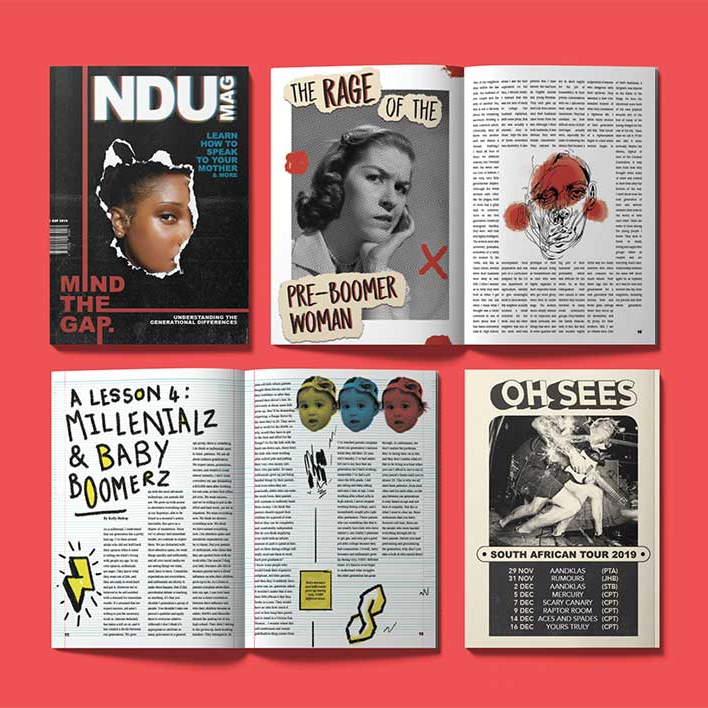
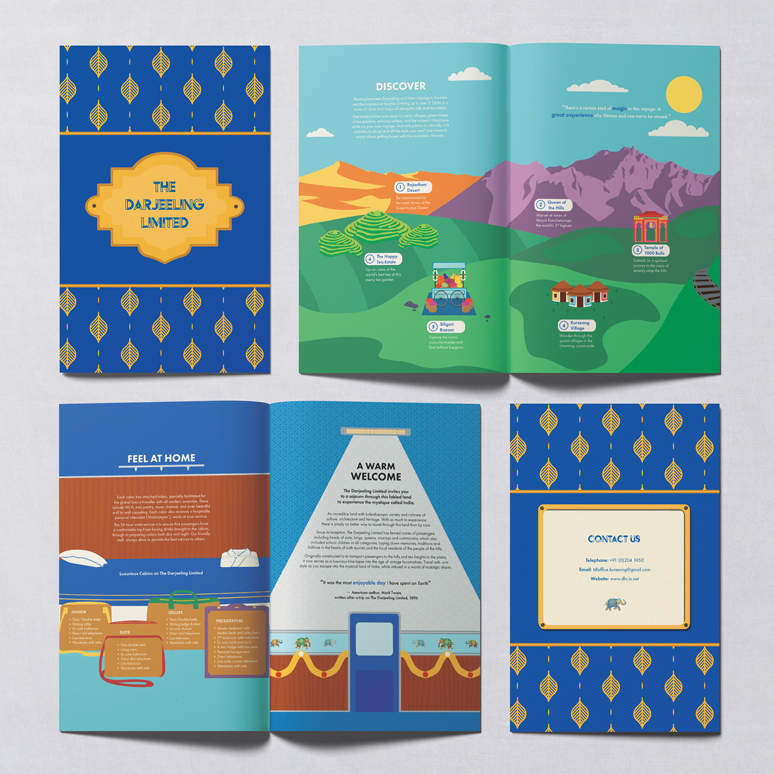
Layout Design will have you delving into the more advanced theories of layout, editorial design, infographics and typesetting. The module aims to teach you the fundamentals of combining images and type on page or screen into eye-catching layouts. It introduces design principles such as designing with a grid and hierarchy, and expands on topics such as colour theory and the application of design principles and typography. You will use these principles to communicate a clear key message to an intended audience. This is really where the magic happens.
Module 5
Packaging and Finish Art
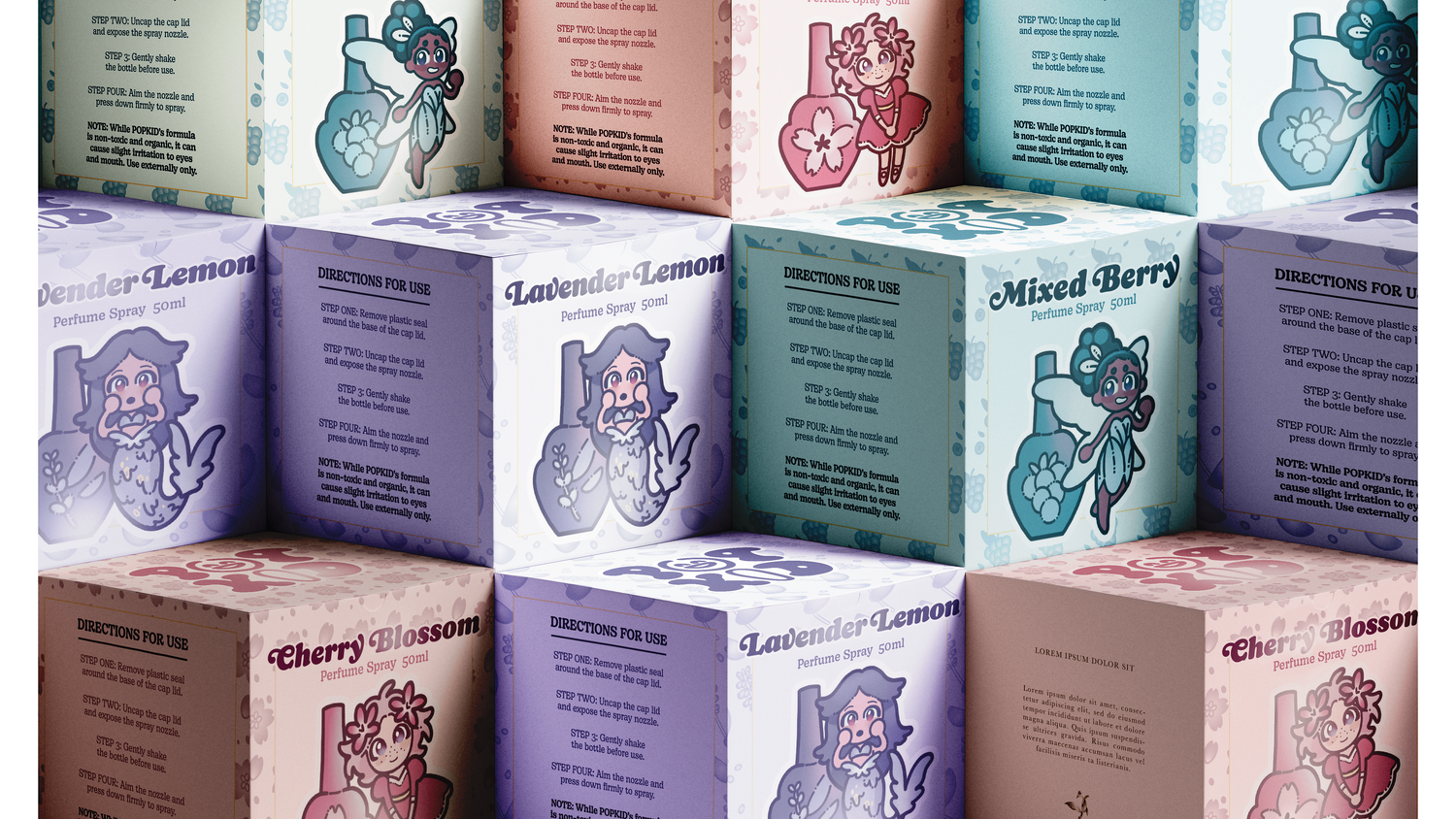
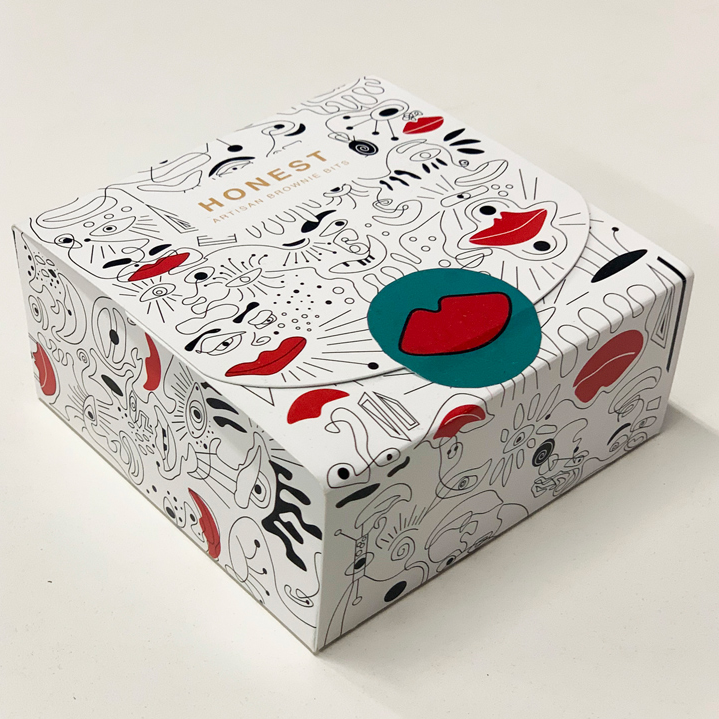
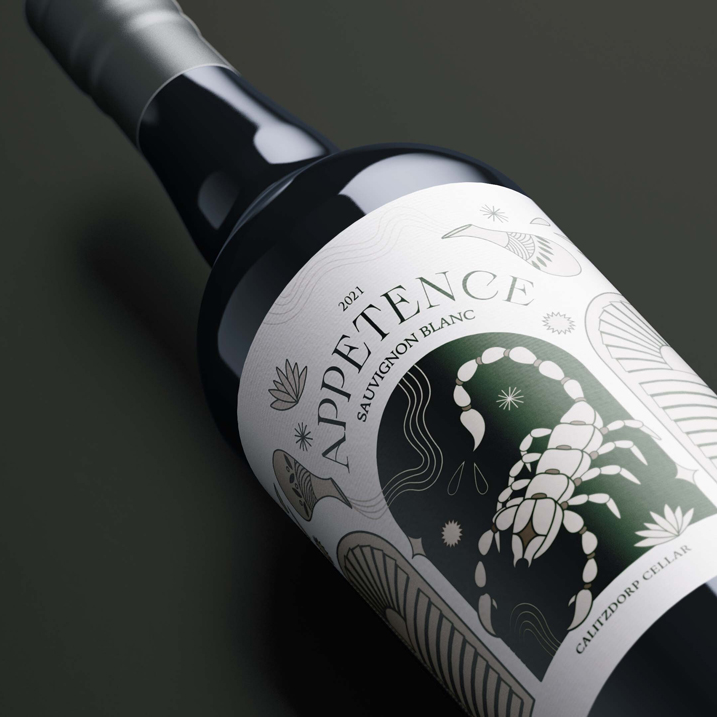
Packaging and Finish Art teaches you how to apply a design style to a three-dimensional object. In this module, you will learn to consider materials, substrates and the flow of design across panels. In Finish Art, you will be taught the theory and practice of getting artwork ready for production, creating finishes for designs and creating die-lines for packaging construction.
Module 6
Professional Practice
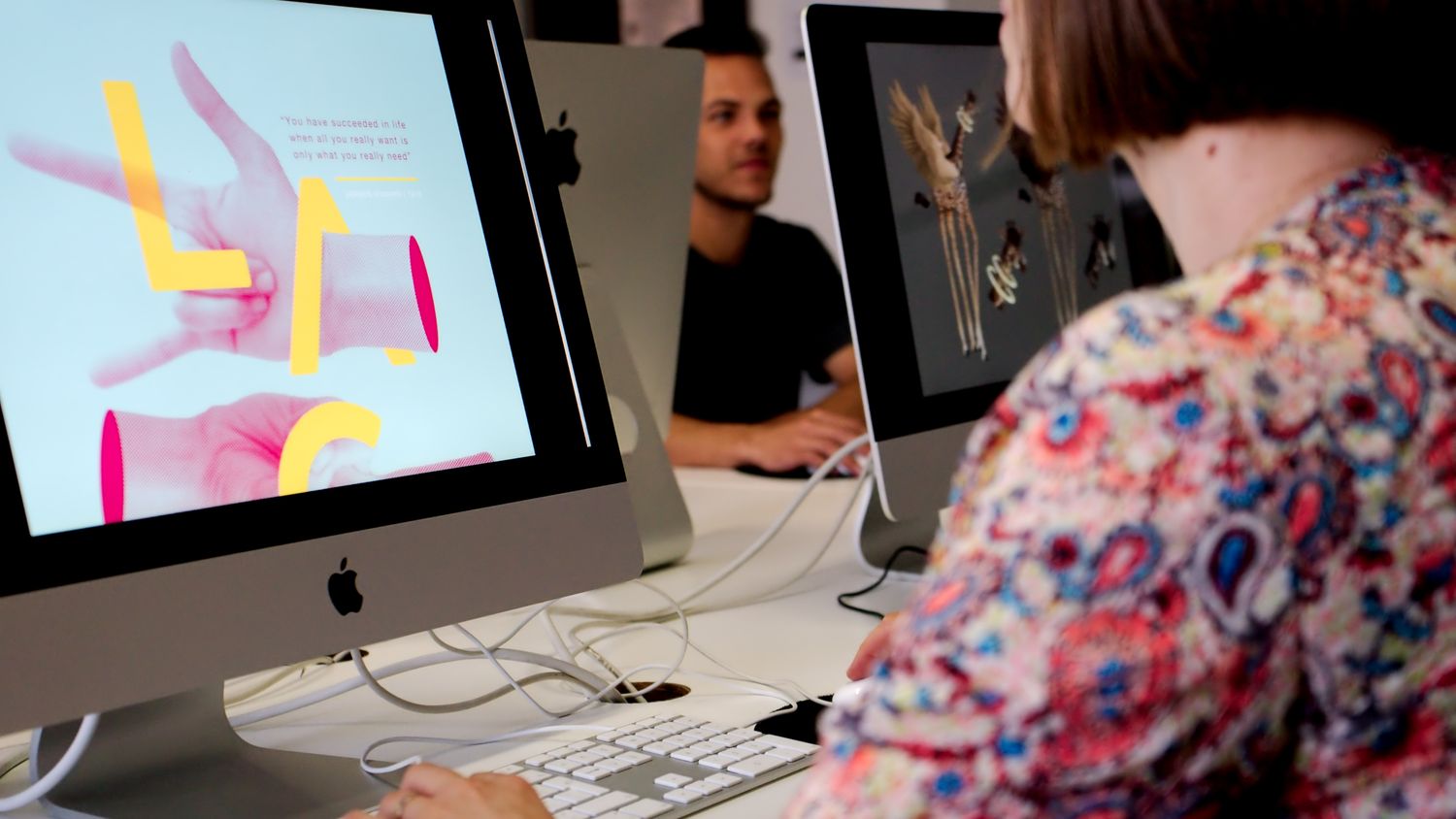
Here is where we bring the real world into your learning experience. Professional Practice teaches students about the business workflow of a graphic designer. The module aims to teach you the fundamentals of income generation, client services, ethics and professional practice. Here, you will develop your own corporate identity, business card and CV in preparation for job interviews.
This module aims to prepare you for taking the next step towards your chosen creative career. The second part of the module runs as a simulation, where you will learn the methods and procedures of the business side of design through a client simulation created by the lecturer.
Module 7
Cross Media Design
This module incorporates work-integrated learning (WIL), where students are briefed by and work alongside a client on an active design brief. This practical assessment allows you to explore designing for digital as well as traditional print. The aim of the project is for you to practically demonstrate your understanding of design theory, practice and principles, experience a real-world client and designer relationship, and potentially have your work published.

Module 8
Final Portfolio
The Final Portfolio consists of the final summative assessments, where you are required to demonstrate your knowledge and understanding of the entire curriculum through various practical projects. In this module, you will create a final portfolio of your work from throughout the year. You will learn the importance of self-promotion on digital and print platforms and get the opportunity to create a self-promotional product. The third component of this module is the elective project, which allows you to create a practical project that aligns with your passions. This is an independent project where you work with a mentor who guides you through the phases of the design process to bring your dream project to life.
Get the 2027 Graphic Design prospectus
Curriculum, entry requirements and 2027 fees in one PDF. Tell us where to send it.
Admission Requirements
Matric or Equivalent
A valid matric (Grade 12) certificate or NQF Level 4 equivalent.
Tell Us Who You Are
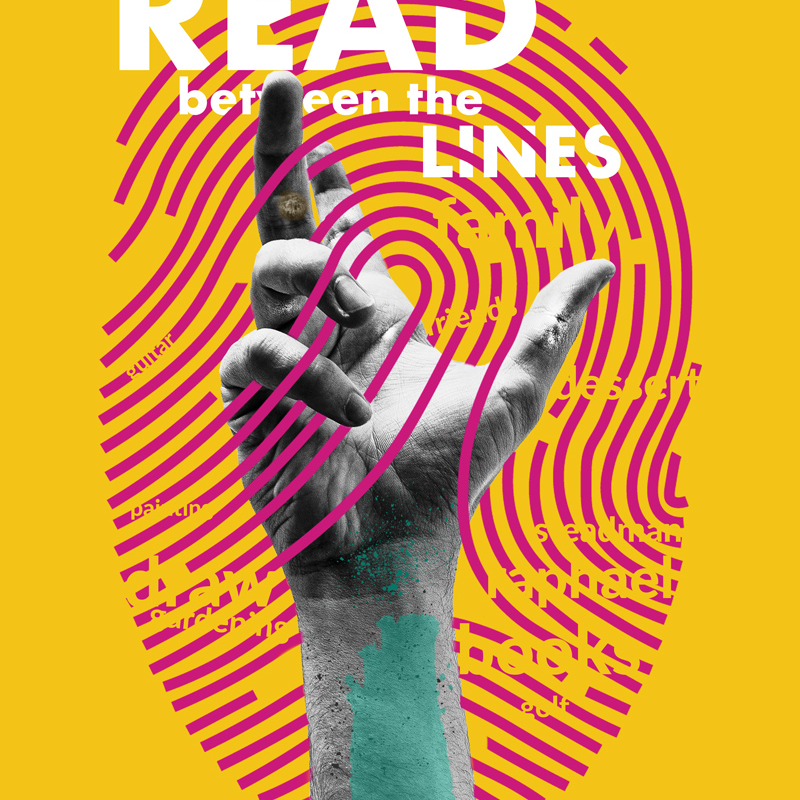
An essay or a video about you, what inspires you and why graphic design is your path.
Studying virtually? Add a few lines on how you stay focused and connected online.
Show Us How You Think
One small creative task: tell a story in a single image, turn one word into typography, or arrange objects from your home into a composition. Any medium works.
No experience needed. We look for ideas, not polish.
Full submission requirements are in the application portal.
Fees & Funding
Payment Options
Filter by Installments:
Yearly / upfront (1 installment)
Full payment upfront
R 7 100 per month
Paid annually
Admin fee: R 1 000
Deposit: R 4 000
Price shown above excludes the admin fee and deposit listed here.
What Next?
01 Sign up for Open Day
Visit our campus and meet us in person. During our Open Days visitors can view our classrooms, chat to lecturers and students and get a sense of why our students love studying with us.
02 Apply online
Our application process is fully online. Follow the start my application link to begin your registration process. Create a profile and complete your application at your own pace.
03 Submit with your *portfolio
Once you have created a profile, you will be able to upload all your application requirements and portfolio of work *(Note that some courses require this whereas others have it listed as optional). Visit your profile dashboard to review missing elements.
04 We can’t wait to meet you
We may request an interview to get to know you better and shortly after we’ll advise if you’ll be receiving that oh-so important acceptance letter. Get ready to kickstart your creative career and join your tribe at the Academy of Digital Arts!
Frequently Asked Questions
Before You Apply
Start your Graphic Design career in 2027
Applications for 2027 are open. Apply online at your own pace, or meet our lecturers at Open Day first.