
BA in Concept Art

Design the characters, worlds and assets that power films, games and animations

What you'll learn?

BA Concept Art

Duration

3 years

Next course

16 February 2026 – 14 February 2029

Price, starting from

R 130 000 per year

Where Creativity Becomes Reality

Step into our world, where imagination meets industry. Our BA in Concept Art is designed for aspiring artists who want to shape the visuals behind films, games, and digital media on a global stage. Over three years of study, you’ll develop a strong foundation in drawing, design, and storytelling, while mastering industry-standard tools and techniques used by leading studios.

Through a mix of studio practice, professional projects, and guidance from experienced mentors, you’ll build a portfolio that showcases both creativity and technical excellence. The program emphasizes innovation, adaptability, and higher-level thinking, preparing you to thrive in the fast-paced world of entertainment design.

By graduation, you won’t just have a degree, you’ll have the skills, confidence, and professional network to launch an exciting career in concept art anywhere in the world. Embark on a journey with us, enhancing your skills, knowledge and techniques, and launch your dream career in the entertainment industry.

What You Will Learn

Image

Fundamentals

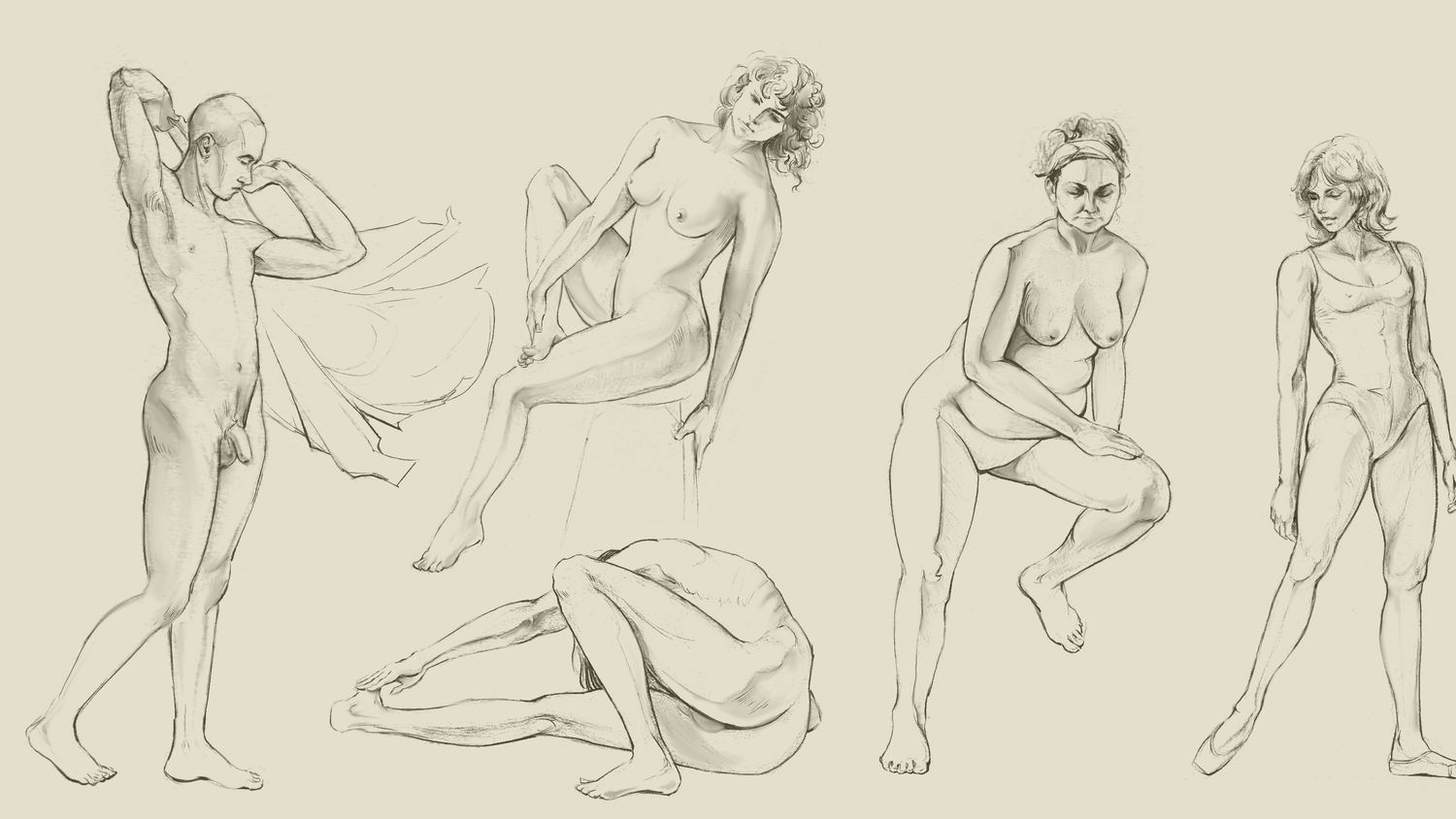
You will gain mastery over the fundamentals that allow you to execute digital designs and bring imaginative projects to life. Learn how to execute correct perspective and human anatomy, hone your visual library and drawing skills, and learn how to navigate the digital painting medium with confidence.

Once you know the basics, level up and bring 3D tools like Blender into the mix to speed up your processes.

Image

Design

A good design isn’t just a pretty picture; it must serve a purpose and fulfill its function. Learn how to use principles of practicality and ergonomics to design assets and vehicles, convey a character or creature’s personality through shape language and colour theory, and create environments that set the scene and mood for any story to take place in.

Then, bring it all together in a campaign that showcases all these disciplines against the backdrop of your own worldbuilding and story concepts.

Image

Research

To go from pretty picture to functional design – artists need to research! Unlock a hunger for knowledge and learn about all the real-world things that can influence, inspire and make your designs ‘work’.

Costume, architecture, biology, mechanics... concept artists need to know a little bit about everything, and we guide you in expanding that knowledge base!

Research historical events to inspire your worldbuilding, rationalise and explain your designs in interpretable ways, and generally build essential critical thinking and communication skills that will benefit you for the rest of your life.

Image

Industry Readiness

Every assignment you do at ADA will prepare you in some small or large way for a career. With briefs tailored to industry expectations, realistic but fast-paced deadlines, overlapping assignments and directed feedback sessions with your lecturers, you will learn to accept and implement critique, manage your time like a pro, and get the job done.

All this builds to the 3rd year industry internships, where you get to experience hands-on what it is like to be a concept artist for a studio, so nothing will take you by surprise once you land that big job.

The Only Limit is Your Imagination.

The entertainment design industry is vast and has many avenues to explore as a creative. Concept Art opens the door to any number of opportunities in this industry focusing on pre-production design work for games, films and animations. Whether you choose to specialise in one field, or work in all the above, the Academy of Digital Arts will equip you with all the conceptual and technical skills you need to develop and visualise ideas for use in any industry.

Year-by-year breakdown

Year One

Curriculum Overview

Image

Module 1

Theory & Conceptual Skills

This module is designed to introduce students to concept art and the entertainment design industry. In this module students will learn to distinguish between concept art and production art and gain understanding into how concept art is used in the industry.

The module will lay the foundations for the advanced conceptual skills students will need later in the programme, as well as broaden their design thinking through an understanding of narrative and worldbuilding. They will learn how to interpret a concept art brief, and how to start thinking and analysing said brief like a concept artist.

Image

Module 2

Perspective

In this module students will develop their understanding of different perspectives that concept artists are expected to have mastery of. This includes isometric projections, as well as onepoint-, two-point, and three-point-perspective.

An understanding of perspective is essential for the designs students will develop throughout the course of the year, and these skills will become invaluable building blocks for every assignment to come.

Image

Module 3

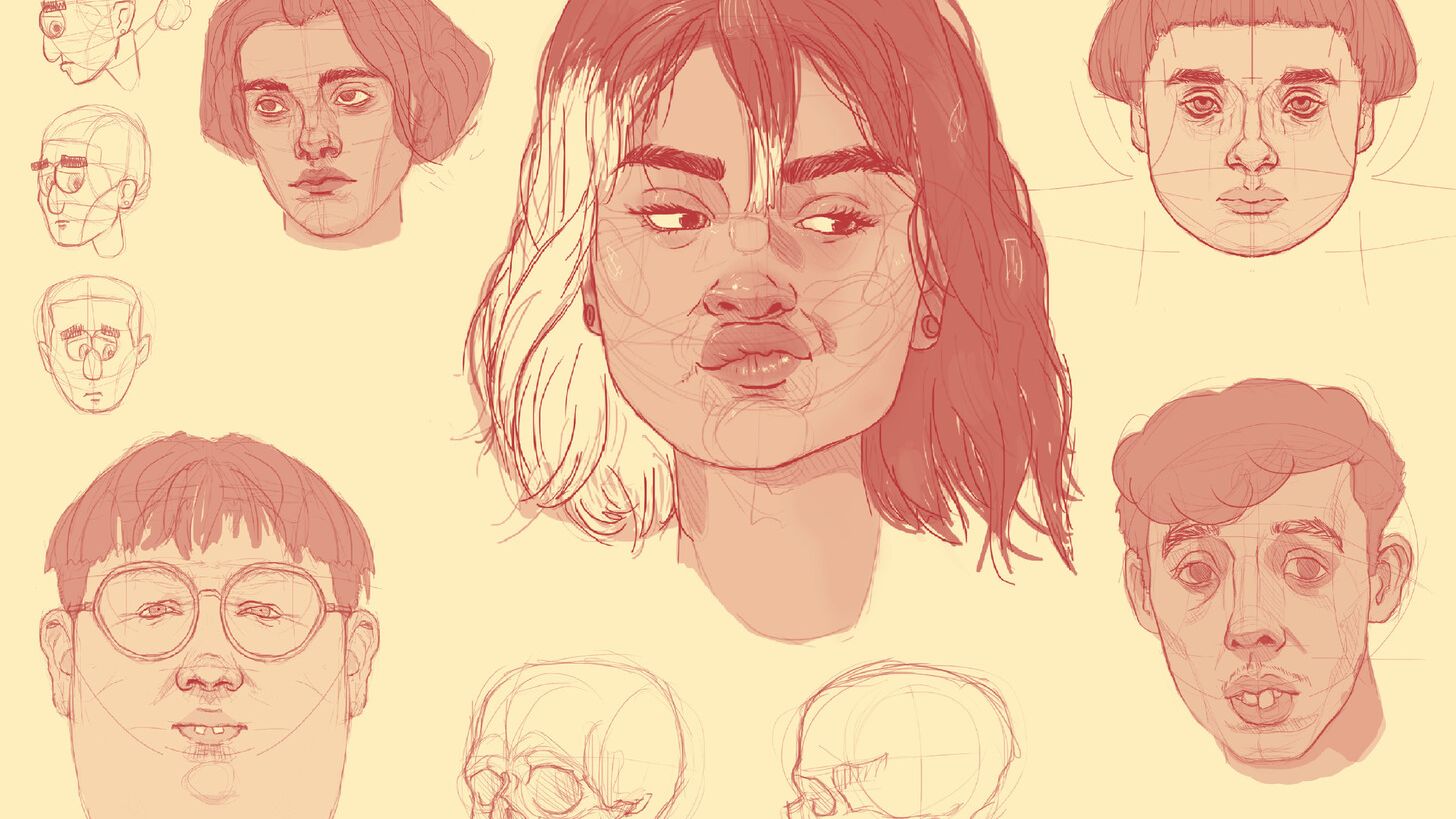
Drawing & Anatomy

In this module students will get the chance to put their newfound understanding of perspective to the test. They will gain understanding into the fundamentals of anatomy, including how to break complex shapes –like the human body- up into simple shapes that can be represented in different poses and perspectives with more ease.

Additionally, this module will develop the drawing skills of students through development of line art skills, that will allow them to create effective anatomy studies and serve them throughout the rest of their art careers.

Image

Module 4

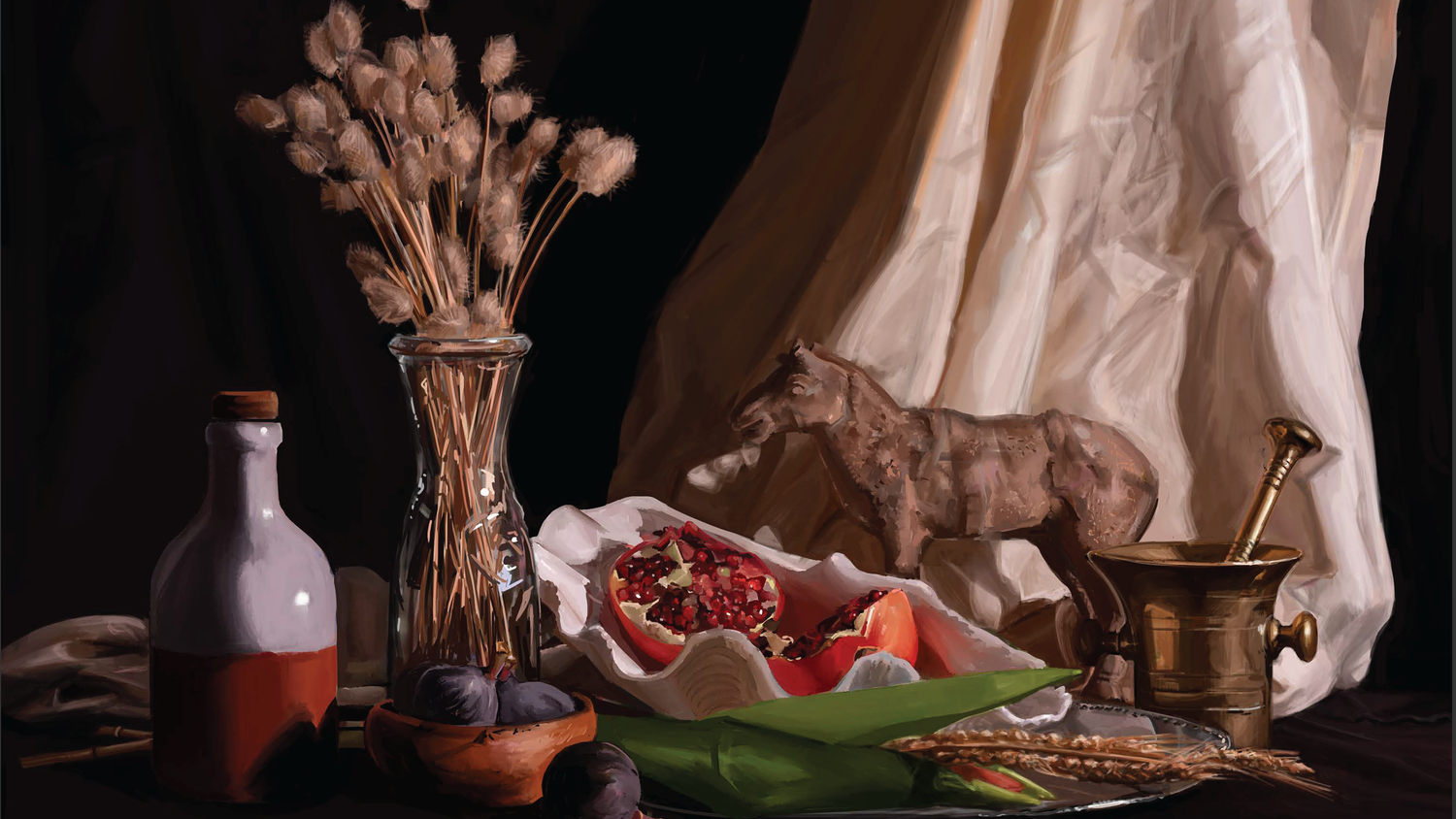
Digital Painting

Digital Painting is not only a useful skill for artists but expected in the concept art industry. In this module students will learn how to capitalise on the tools that digital painting software offers, and how to implement these tools in a way that advances their art and design skills.

The module covers the basics of digital painting and rendering, brushwork, and how to represent forms, textures and materials effectively. These basics then branch out into more analytical and specialist areas that will enhance the outcomes of the design briefs in the upcoming modules.

Image

Module 5

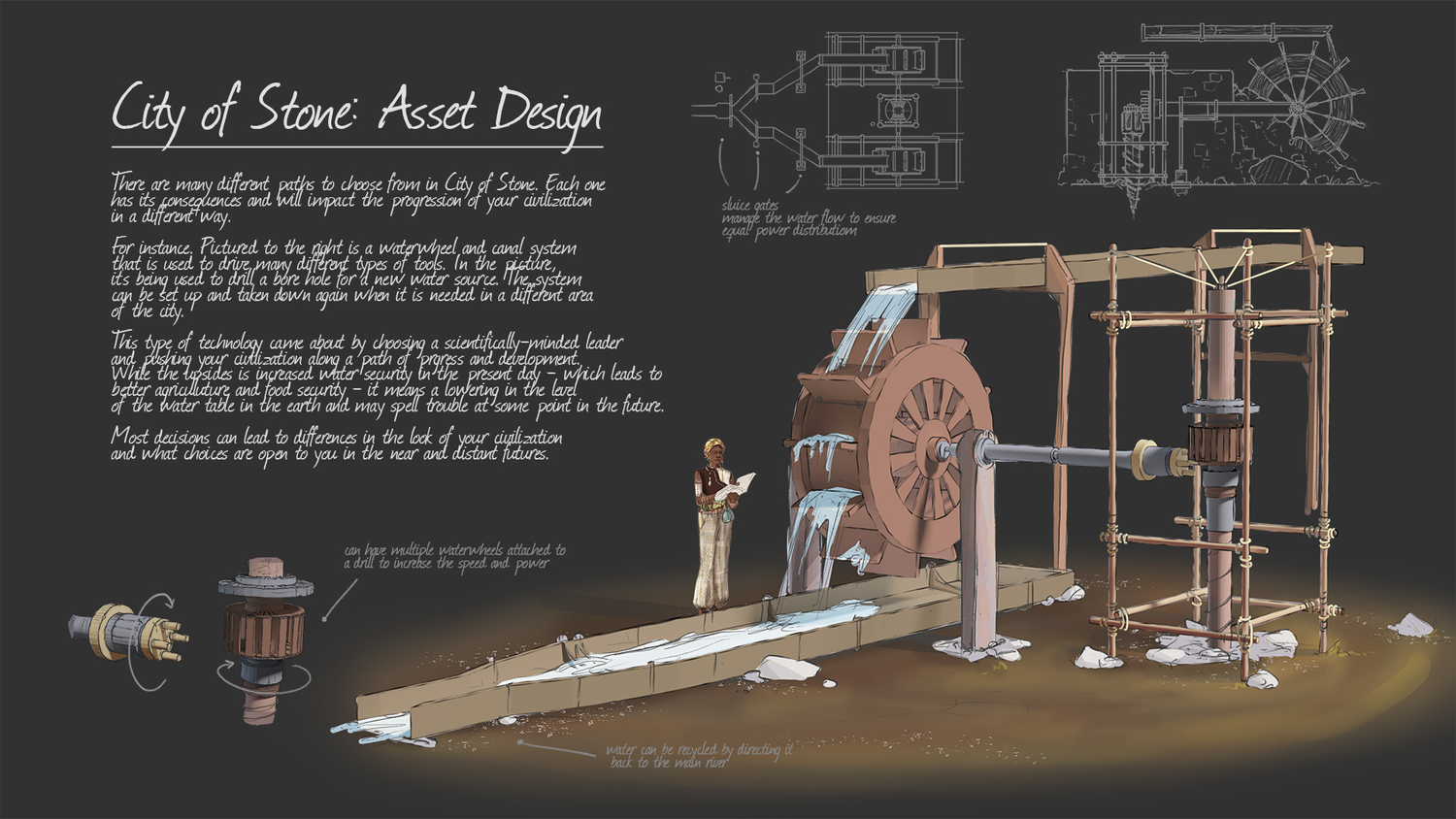
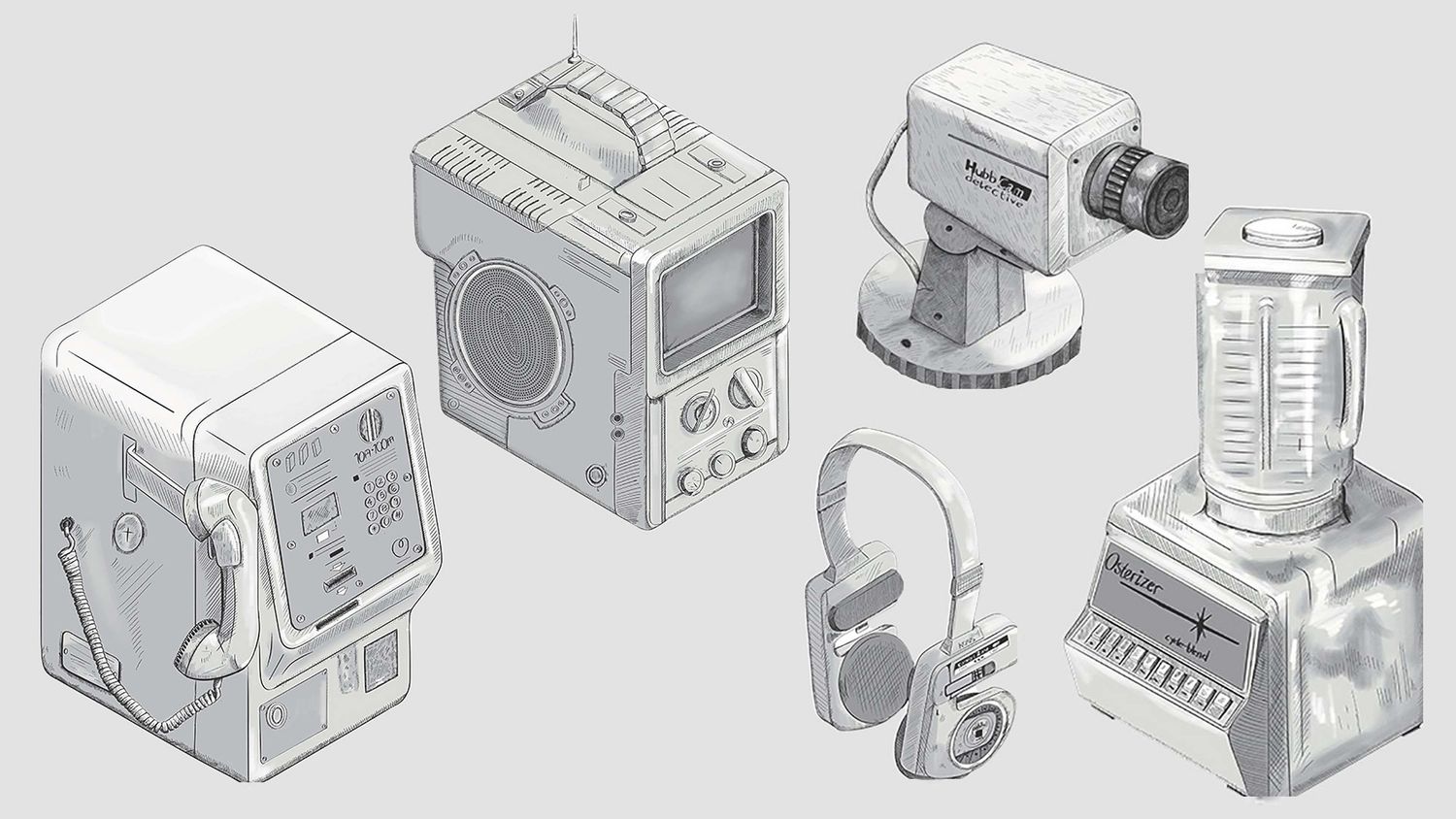
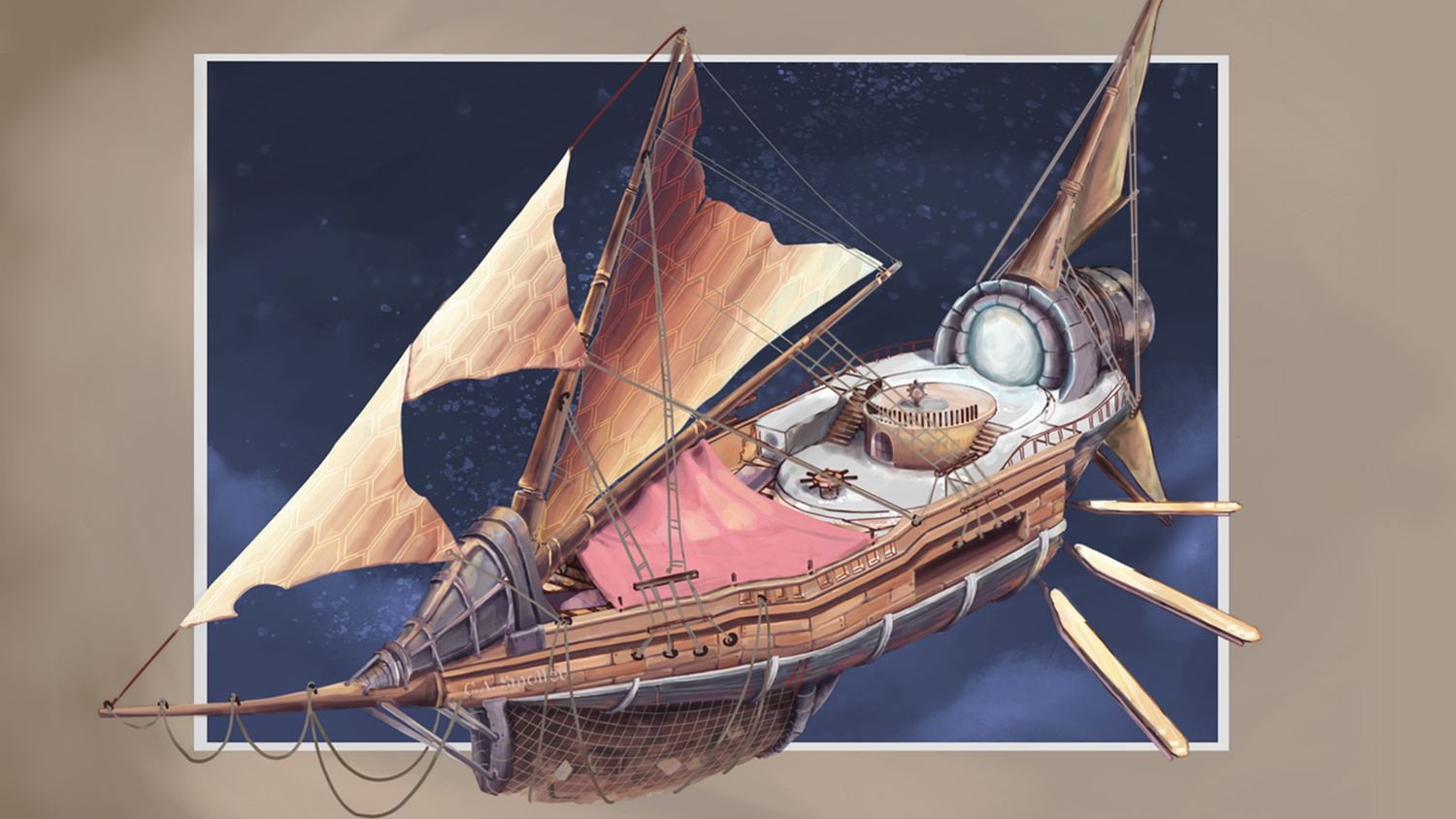
Asset Design

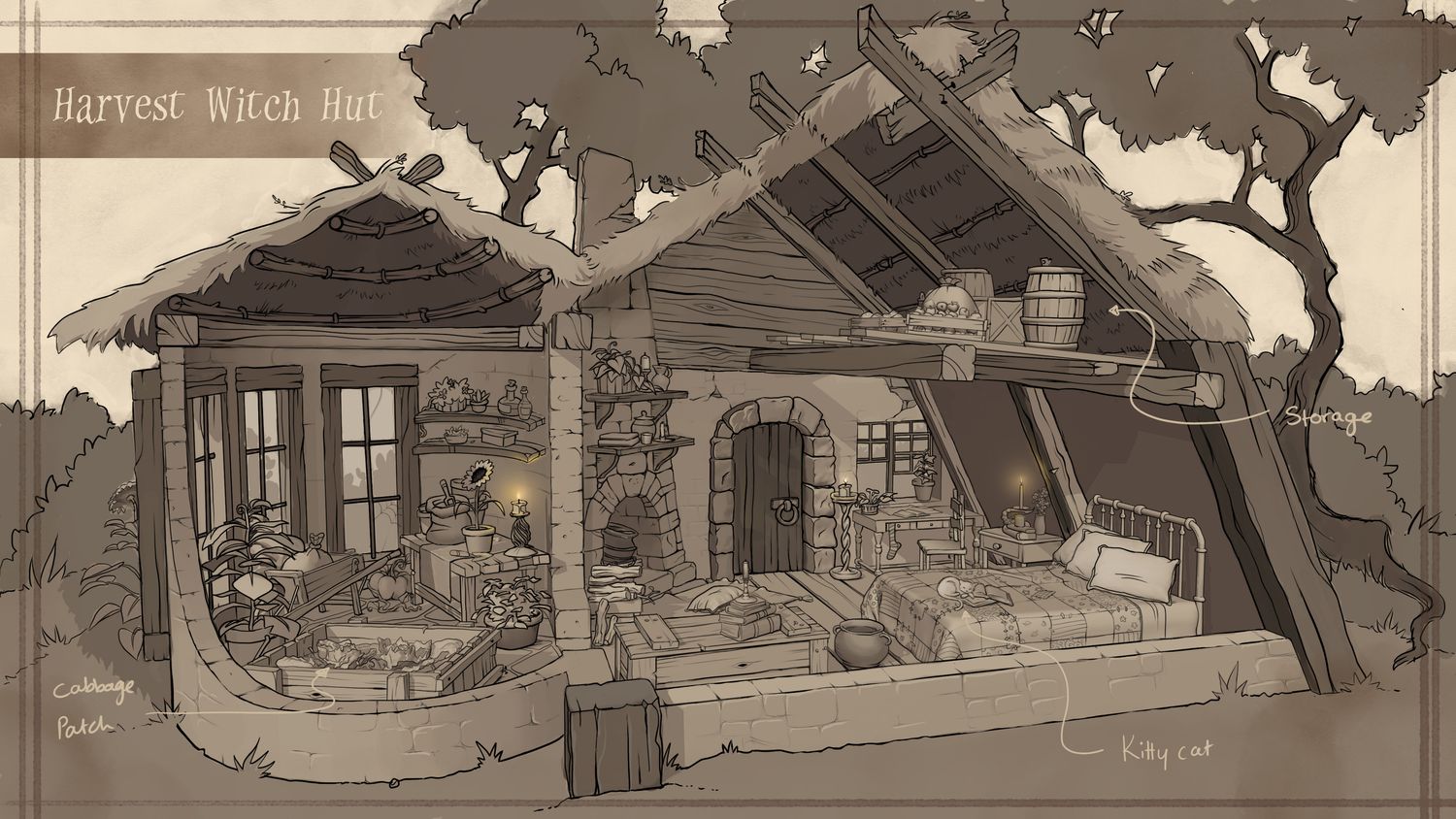
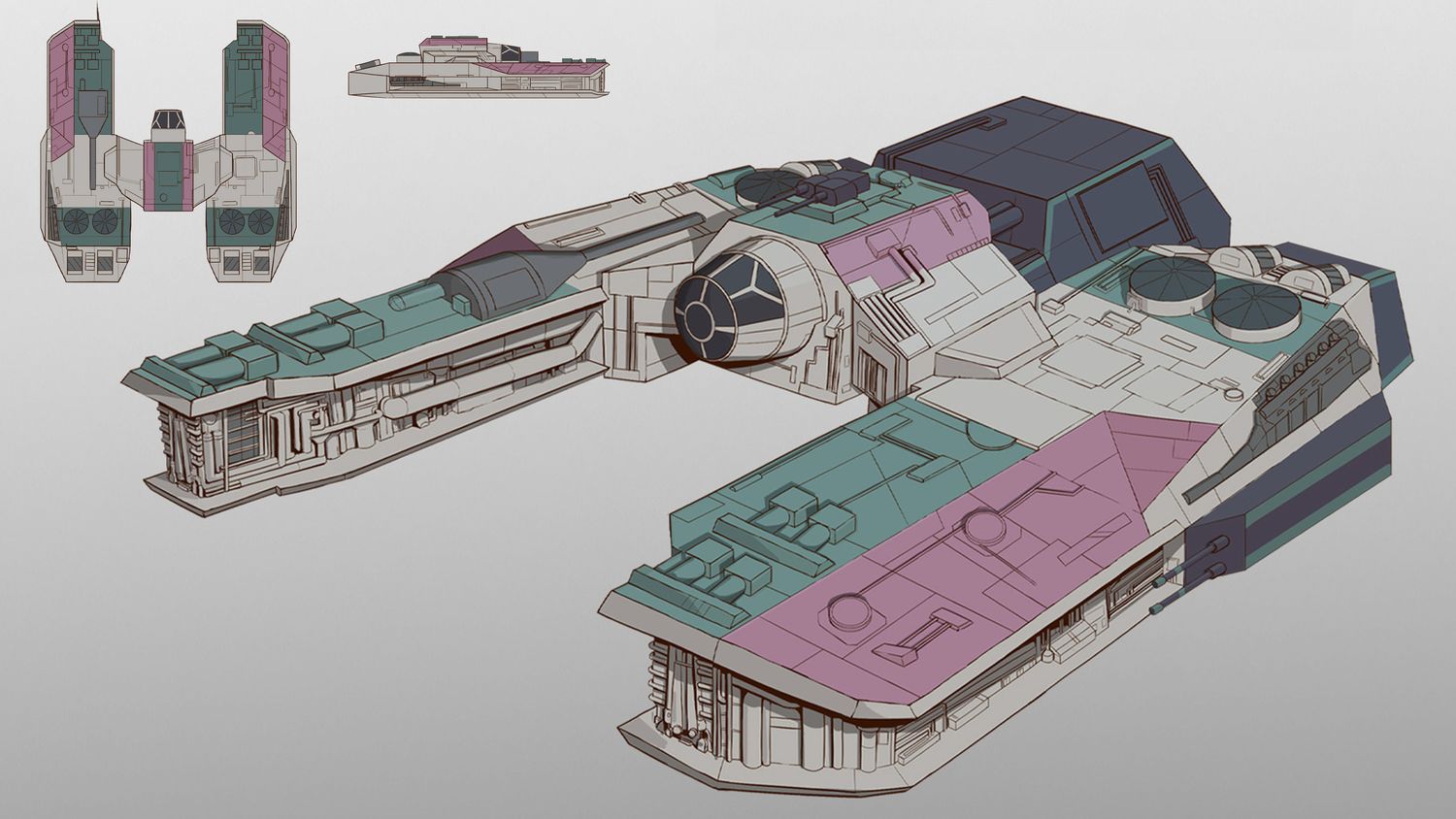
The Asset Design module is the first of the design-orientated modules of the programme. Here student will get to implement their hard-earned fundamental skills, as well as advance and showcase their design capabilities. The asset design module focuses on the conceptualisation, design and execution of inanimate objects, ranging from simple handheld devices to complex vehicle and structure designs.

The module aims to equip students with the skills to be able to execute their ideas as effectively as possible, these skills include but are not limited to; designing with silhouettes, photo-bashing, and basic 3D modelling and frameworks.

Image

Module 6

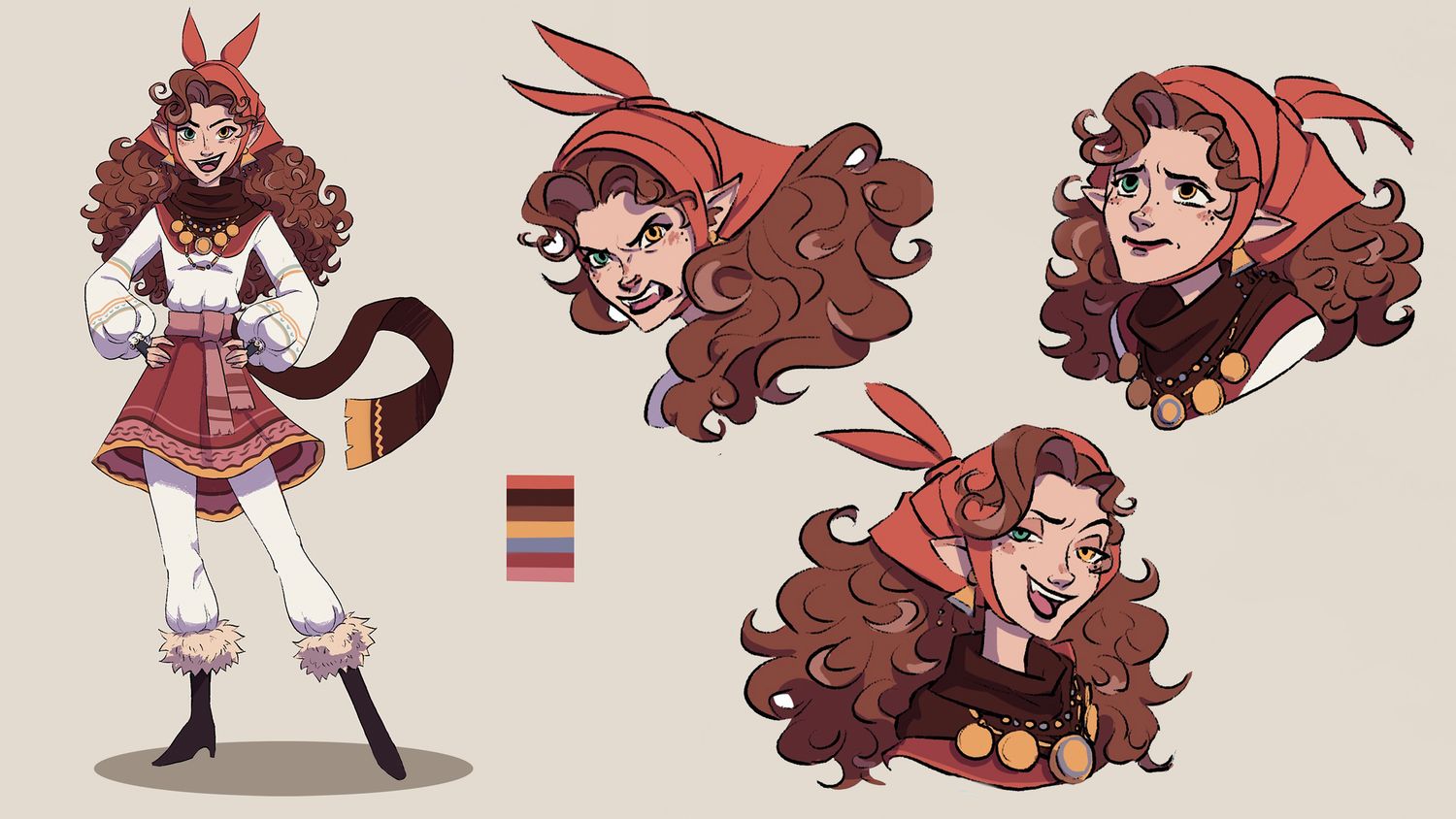
Character & Creature Design

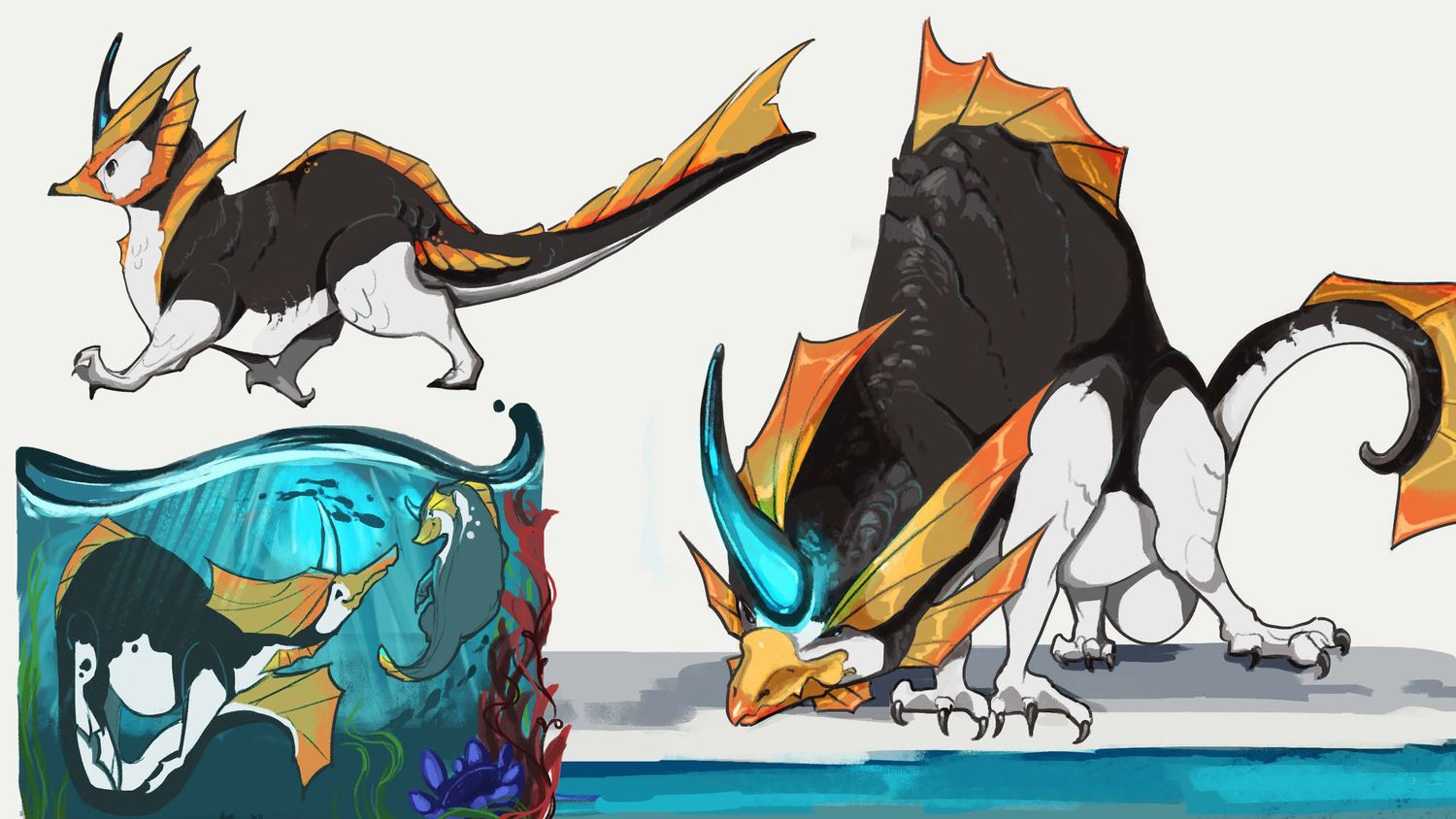
In this module, students will explore the different techniques and work processes employed to design visually appealing characters and creatures for film, game and animation.

They explore tools used for conceptualising, designing and executing both stylised and realistic characters and creatures, and learn to master shape language, colour theory and rendering styles that go along with the design and execution processes.

Image

Module 7

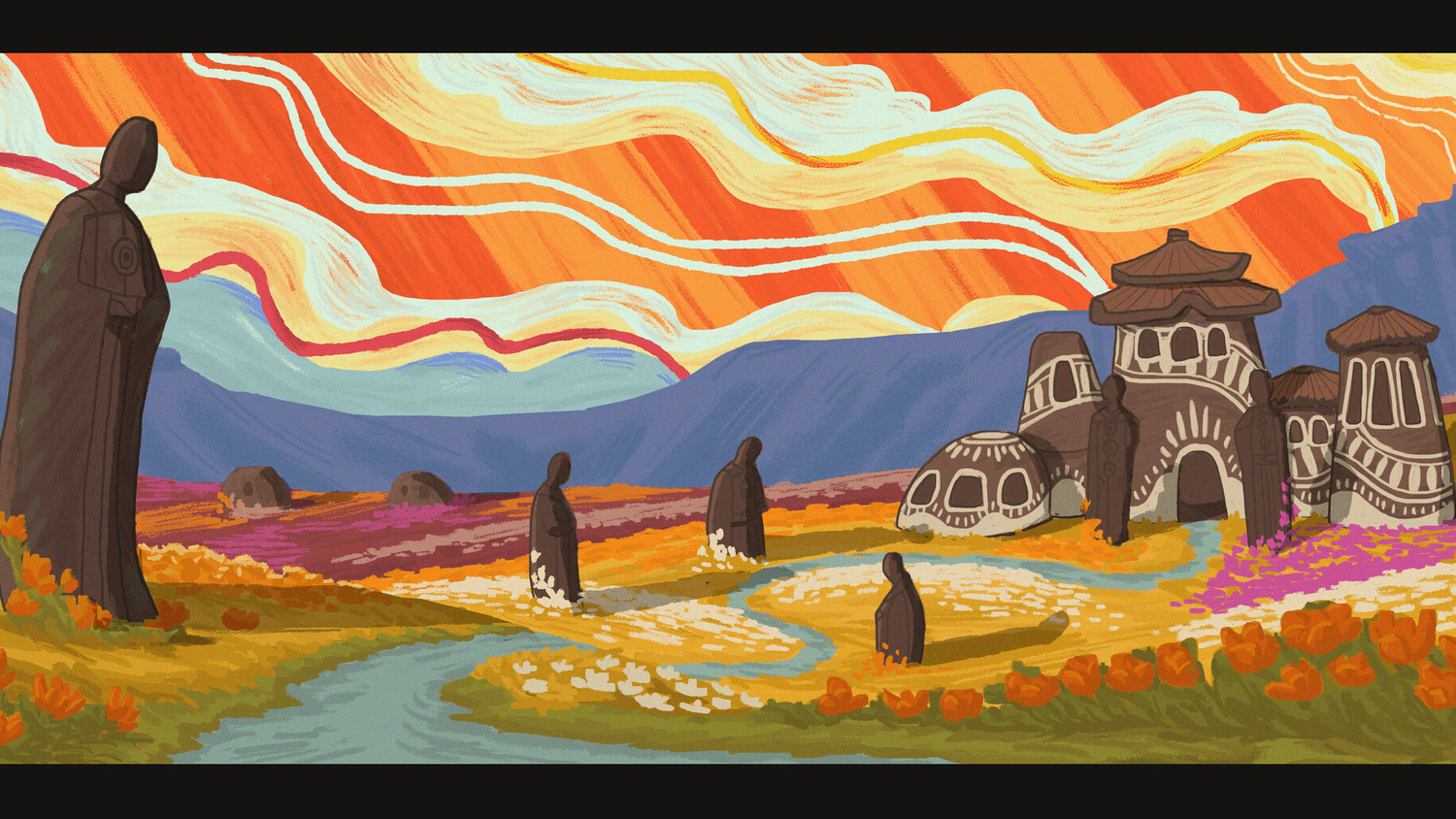
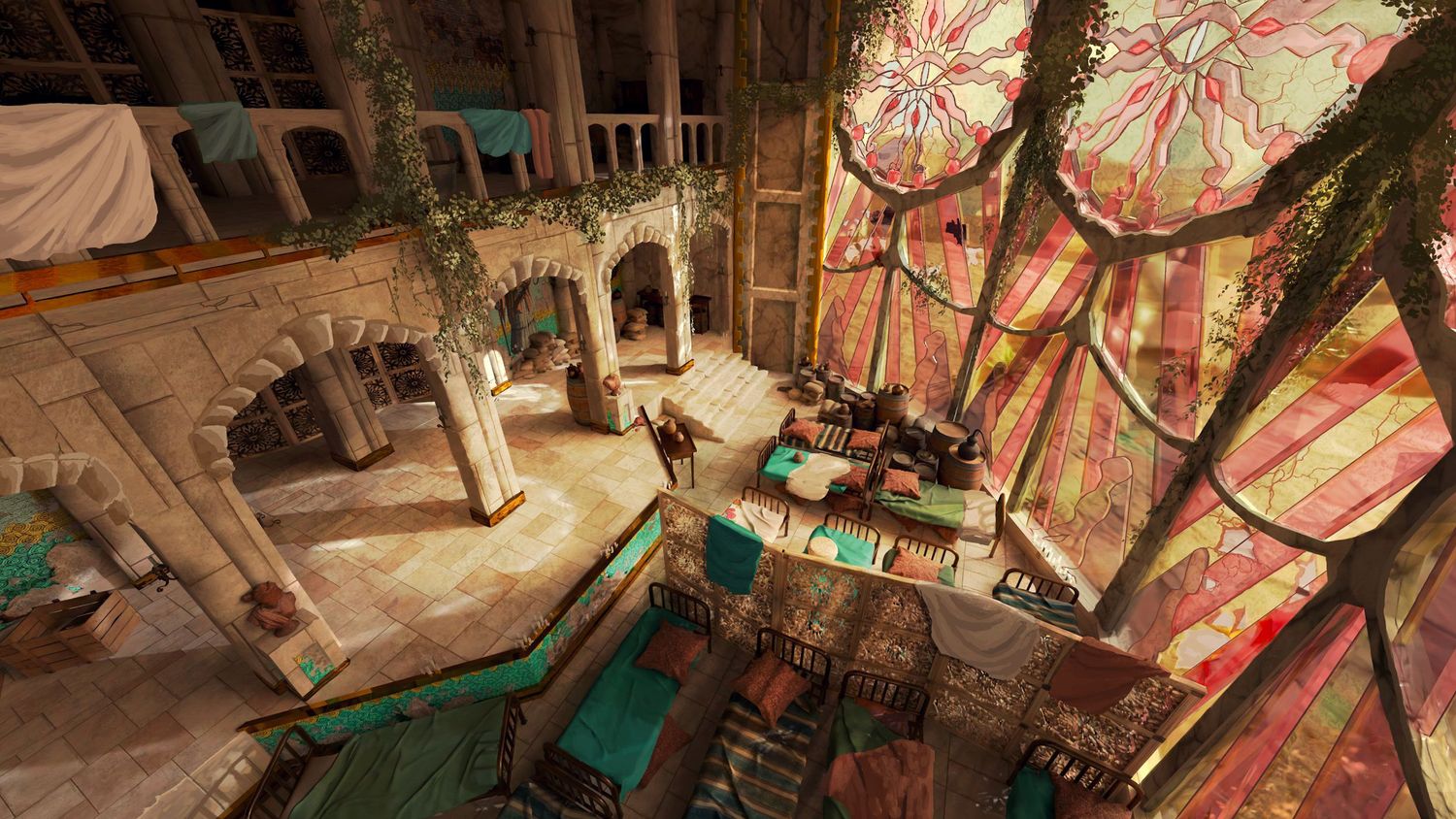
Environment Design

In this module students will walk through the process of designing environments for the entertainment design industry. This process starts with thumbnailing, designing with shapes, and 3D frameworks, and progresses all the way through to complete, rendered environments.

Renders are achieved through combining photo content, 3D bases, and digital painting skills.

Image

Module 8

Production Art

Production Art touches on the tools needed to create complex, detailed, high-end renders of complete scenes. Students will use the knowledge they have gained about characters, environments and assets, and combine that knowledge into one cohesive illustration. This illustration will allow them to press their understanding of composition, lighting and rendering to new hights.

Image

Module 9

Campaign Design

The Campaign Design module combines all the skill taught throughout the year and requires students to do worldbuilding and designs for a cohesive campaign. This includes designing characters, creatures, assets and environments with a cohesive aesthetic and style, and presenting them as the beginnings of a film, game or animation project for the entertainment design industry.

Here students get to combine their own creativity, with the high-level skill they have acquired over the course of the year to create a structured and complete representation of their skills as concept artists.

Image

Module 10

Business Practice

Here students are equipped with business-orientated skills that will allow them to conduct themselves as professionals after the completion of the programme.

This includes instruction on essential skills from setting up and sending quotes and invoices, to the assembly of a CV and portfolio that showcases their best work from the year. This portfolio will serve as tool that can be used to gain potential clients or placement in the industry.

Year Two

Curriculum Overview

Module 1

Theory & Conceptual Skills

This module is designed to align students with the concept art industry. It aims to build understanding of what would be expected of them as employees or freelancers, and what level of design and quality of work is expected when applying for their desired positions in the industry.

They will set up personal goals for the year and develop a deeper understanding of the role they play in the industry. Additionally, students will expand their conceptual abilities through learning about worldbuilding, storytelling and small-scale research. This skill will allow them to reach their set goals and progress their work to a desired design and conceptual standard.

Image

Module 2

Perspective

In this module students will build on assumed knowledge from the Higher Certificate in Concept Art and employ both skills in rendering and design to develop an effective workflow for executing correct perspective in their design work.

This will incorporate further expansion of perspective theory, including more in-depth 3D perspective, drawing perspective from life, the process of using 3D bases to establish perspective, as well as other organic methods to ensure the students can quickly and effectively establish correct perspective in their design process without compromising on their concepts.

Image

Module 3

Drawing & Anatomy

Students will spend time here understanding the logic behind a visual library and execute that understanding through various studies aimed at understanding the core of their chosen subject matter.

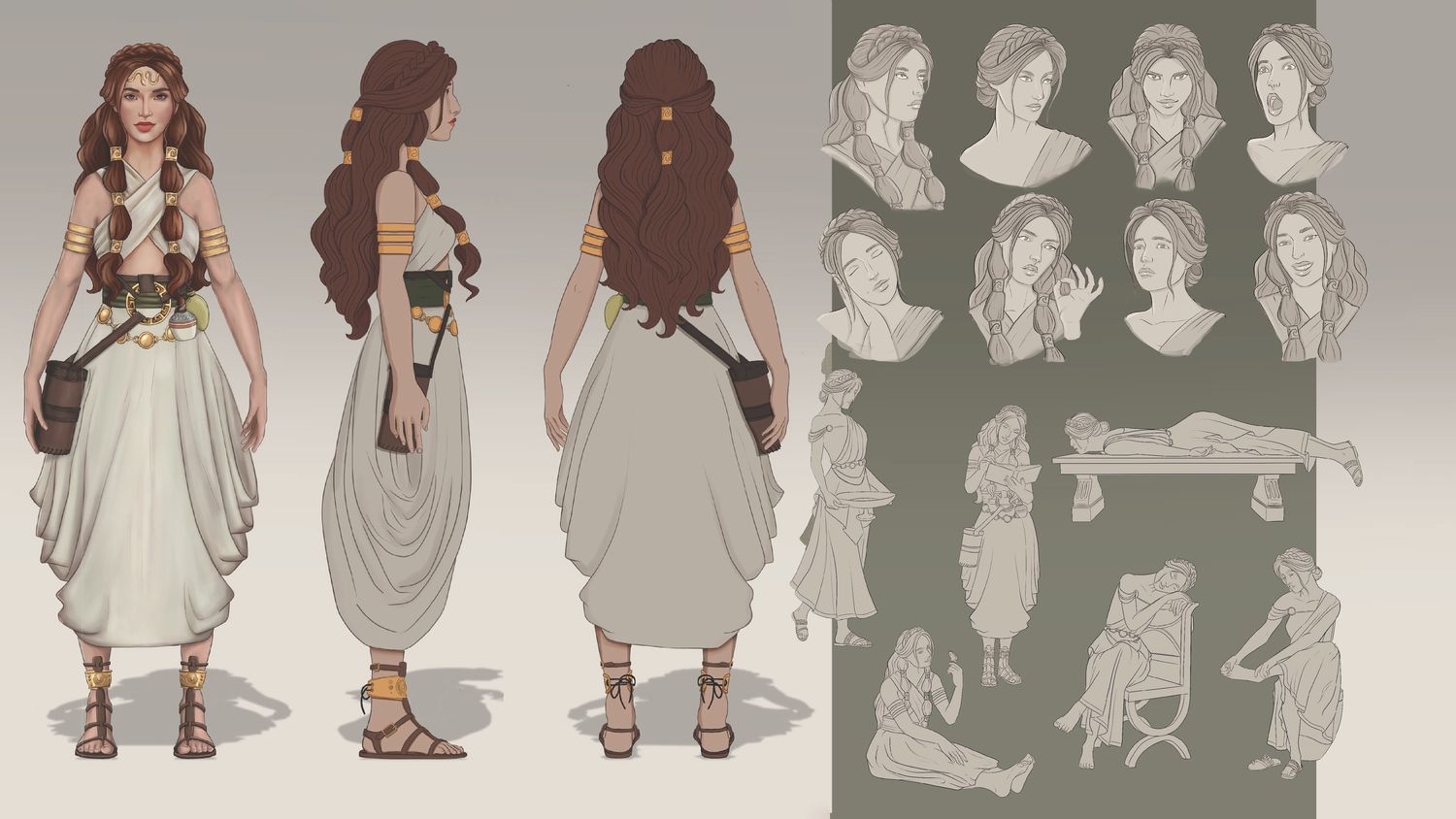
They will put that newfound understanding, along with their assumed understanding of human anatomy, to the test through a character sheet that expects a character to be represented on-model from a variety of angles, and with different poses and facial expressions.

Image

Module 4

Digital Painting

In Digital Painting students will deconstruct their understanding of colour, light, form and materials into their simplest forms, and then aim to combine that knowledge into a render that has clear and effective rendering passes represented.

From there, this knowledge will be expanded into advanced material studies, where the concepts of colour theory are put to the test and students must consider the impact that environment and surroundings have on different materials.

Image

Module 5

Asset Design

The Asset Design module is the first of the design-orientated modules of the 2nd year programme. Here student will combine their expanded theory knowledge with their additional fundamental skills to execute functional, logical and practical assets.

Here we encourage students to really consider and represent the logic behind their assets through representing them from multiple angles, as well as through exploded views that show the functionality that underlies the asset.

Image

Module 6

Character & Creature Design

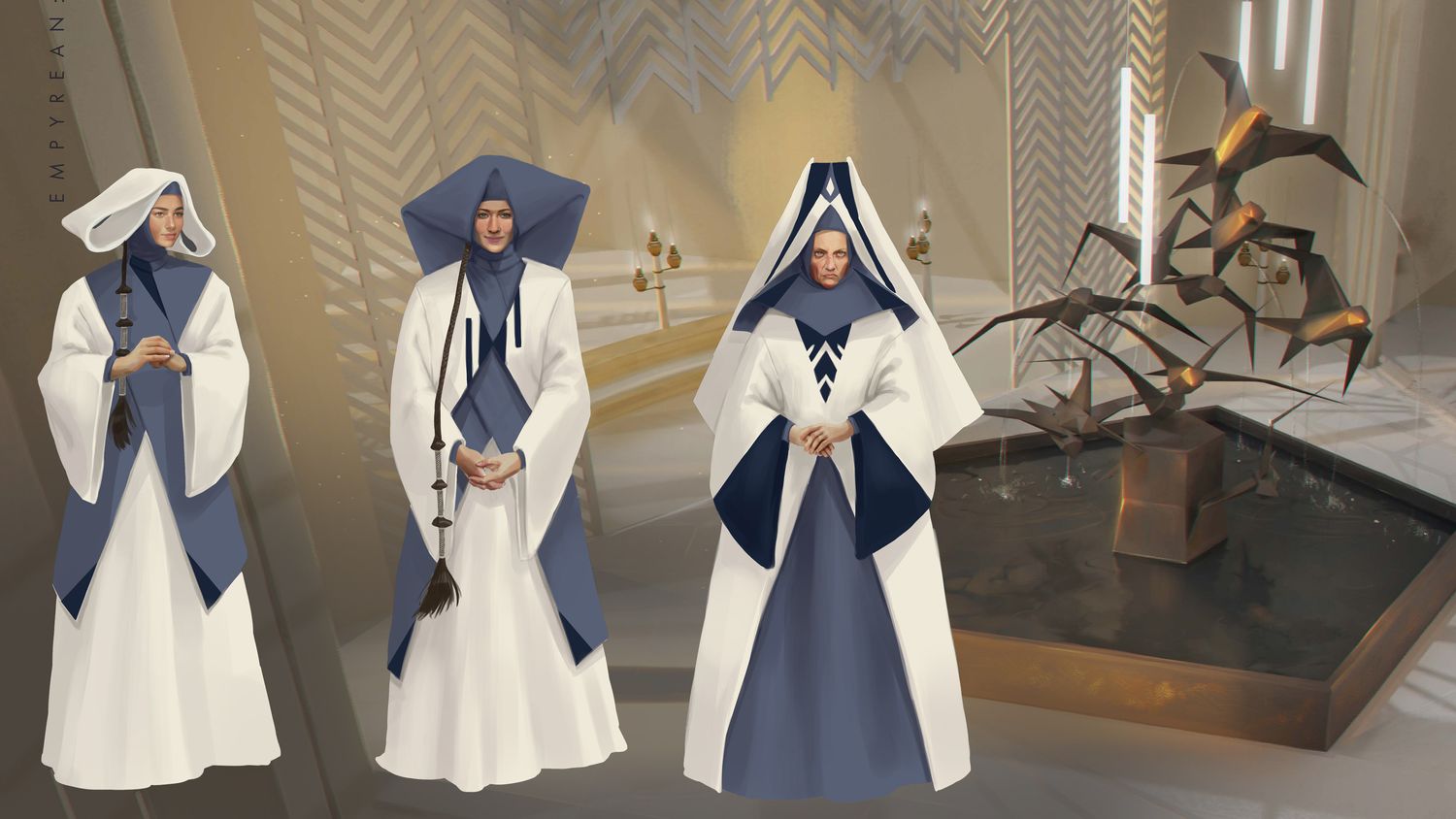
In this module, students will dive into the finer points of character and creature design. This includes costume designs and historical contexts for costumes, as well as the basics of biology and ecology that impact creature designs through speculative evolution.

The aim here is to level up the relatability and logic that fuels design, as well as encourage an extensive research phase before jumping into designs. This theory will be backed up by technical training in areas like creature sculpting and using basic human models as a basis for character design.

Image

Module 7

Environment Design

In this module students will aim to expand their skills in environment designs through the consideration and incorporation of environmental storytelling, as well as a greater understanding of creating mood and following through on aesthetics for both interior and exterior designs.

This theory will be backed up by technical training in 3D software like blender to assist in the process of creating a 3D basis for environment design work.

Image

Module 8

Visual Development

In this module students will take a step into the earliest phases of pre-production and explore the beginning forms of entertainment media visualisations.

These will include keyframes, vis-dev sketching, colour scripting, as well as a basic introduction to storyboarding. These related fields compliment the concept artist’s skillsets and add valuable skills to the student’s toolbox that will form the undergirding framework of their Campaign Design assignments.

Image

Module 9

Campaign Design

The Campaign Design module combines all the skill taught throughout the year and requires students to do worldbuilding and designs for a cohesive campaign. This includes designing characters, creatures, assets and environments with a cohesive aesthetic and style, and presenting them as the beginnings of a film, game or animation project for the entertainment design industry.

Here students get to combine their own creativity, with the high-level skill they have acquired over the course of the year to create a structured and complete representation of their skills as concept artists.

Image

Module 10

Business Practice

Here students are equipped with business-orientated skills that will allow them to conduct themselves as professionals after the completion of the programme.

This includes instruction on essential skills of doing taxes as a sole proprietor in the business sector, to the assembly of a portfolio that showcases their best work from the year. This portfolio will serve as tool that can be used to gain potential clients or placement in the industry.

Year Three

Curriculum Overview

Image

Module 1

Practice Based Research

This module is structured to gradually yet effectively build on student knowledge in the practice of academic writing. An often-overlooked skill in the field of art, academic research and writing will equips students with critical, analytical and higher- level thinking skills that they can apply in broad contexts.

This module will deepen their knowledge in a self-appointed field of specialisation, as well as equip them with the skills needed to conduct academic research, which will include information gathering, analysis and verbalisation of conclusions; all skills they will be able to rely on in broad contexts.

Image

Module 2

Theory & Conceptual Skills

Concept Artists often need to be self-sufficient, and highly effective with their conceptualization and idea-creation process. In this module, students will be instructed in generating conceptual frameworks as a template for the conceptualization process.

This will allow them to quickly and efficiently generate ideas for their personal portfolio development and act as a structure for them to follow when working on concepts with clients.

Module 3

Business Practice

Business intelligence and general knowledge of the industry and professional conduct is the focus of this module. Students will learn to draw up well-researched business plans, which will ultimately allow them to look at the business side of art practice with an educated and informed eye.

They will be able to evaluate the risk and value of certain financial moves, as well as plan their business futures with more confidence. This module will additionally provide the space for students to assemble and tailor their portfolios to align with their newfound knowledge.

Image

Module 4

Work Integrated Learning Internships

Work Integrated Learning is a module built around sending students on live, industry internships. These internships will give them a hands-on introduction to the industry and expectations of concept artists working at studios in the area.

As a precursor, students will be instructed on conduct and professional practice, which they will then be expected to apply in a two-week internship stint, which they will be reviewed on.

Image

Module 5

Applied Concept Design

This module takes up the bulk of the contact time lecturers have with students, and with good reason. During this timeframe, students will endeavor to combine skills gained from all the previous modules by setting self-directed goals aimed at learning and improving in their chosen area of specialization.

They will conceptualize, design and execute designs based on those goals, driven to new heights by their improved conceptualization skills, as well as their developing ability to critically analyze and solve problems in unfamiliar, but related contexts.

Image

Module 6

Campaign Design

As with the prerequisite programmes, the Campaign Design module combines all the skill taught throughout the year and requires students to do worldbuilding and designs for a cohesive campaign. Here students get to combine their own creativity, with the high-level skill they have acquired over the course of the year to create a structured and complete representation of their skills as concept artists.

This iteration of the module will however be put through the lense of pitching a campaign in industry, and the final product should be very reminiscent to what would be expected of a concept artist in a studio pitching for a new title to be developed.

Note: Upon completion of this course you will be awarded the Bachelor of Arts in Concept Art, NQF-level 7 (SAQA ID 124286, HEQSF-aligned, H/PR432/AR010CAN, NQF Level 7, 360 Credits)

How to Apply

Step 1

Create a Profile on our Portal

Step 2

Fill in your Details

Step 3

Upload your application requirements

Step 4

Submit everything and wait for us to get in touch!

Image
Example Outcomes Student Work

Career Opportunities

Become

Concept Artist / Visual Development Artist / Storyboard Artis / Marketing Illustrator / Book Illustrator/ Experience Designer/ 2D Art Generalist / Keyframe Artist / Colour Scripting Artist /

Be Skilled.

Be Independent.

Be Agile.

Be Relevant.

Belong.

Create

Concept art for films / games and animation / UI Art / Storyboards / Keyframes / Standalone Illustrations / Style Guides / Pitch Decks / 3D Visualisations /

Be Skilled.

Be Exceptional.

Be Creative.

Tools

Software

Photoshop (or your preferred digital image editing software)

Blender

Hardware

Wacom tablets, high‑spec lab (or your study-from-home setup)

Industry Touchpoints

Industry talks, seminars and masterclasses, within a course designed with industry input, from lecturers and course-developers with industry experience, as well as industry internships in your final year

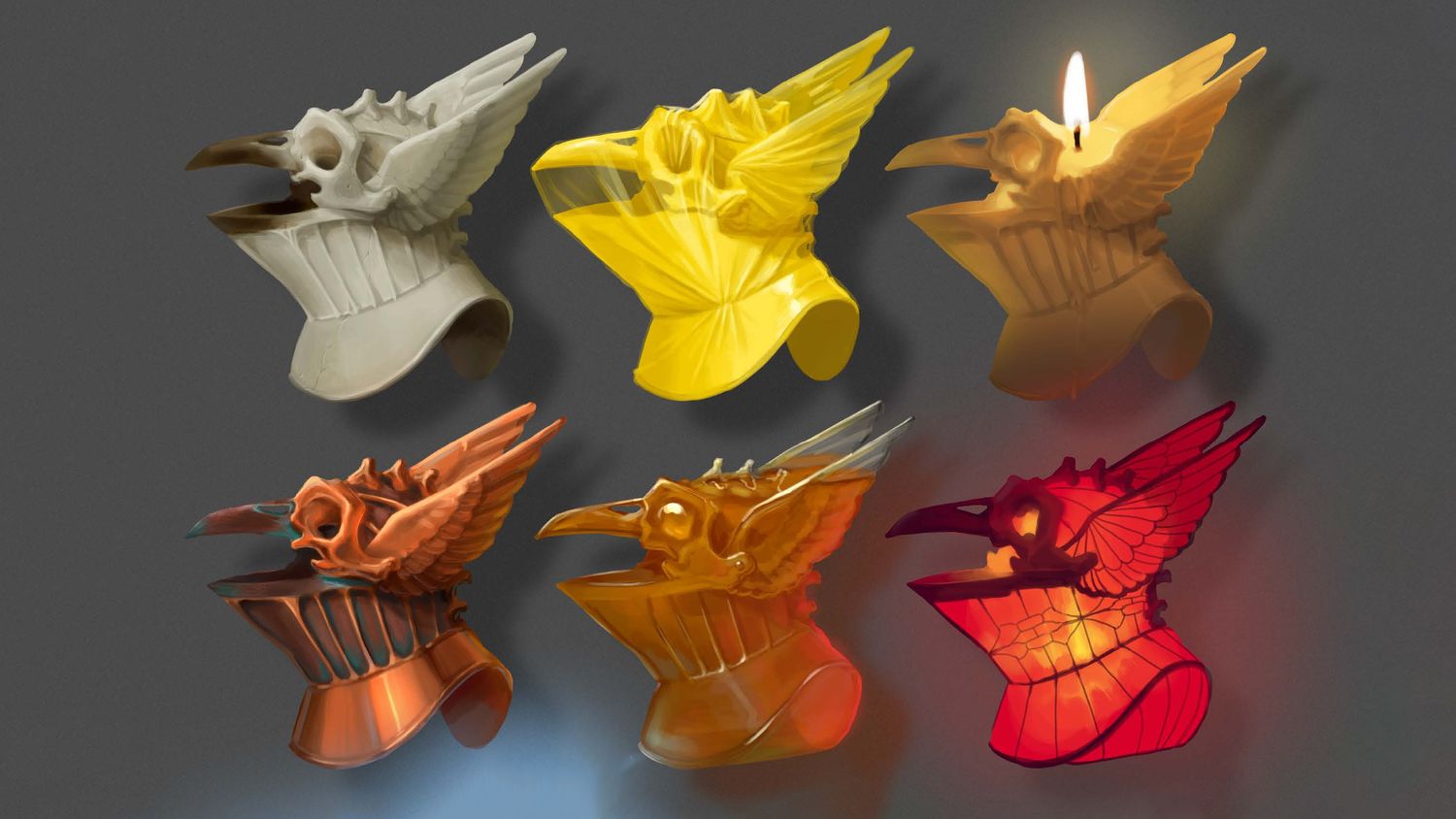
Asset Design - 'Archangel Sword'

Admissions Requirements

Matric with Bachelors Pass

The minimum admission requirements for a Bachelor's degree programme are a NSC with a minimum of 30% in the language of learning and teaching of the Higher Education Institution (HEI), coupled with an achievements rating of 4 (50-59%) or better in any four (4) NSC subject except Life Orientation.

Creative Portfolio

  • A master study (copy of an artwork that you admire – please include the reference image used)
  • A character, creature, asset or environment you designed yourself
  • A minimum of 5 additional artworks (free choice)

Motivational Letter

Motivational Letter & Virtual Learning Motivation if applicable

Fees & Funding

BA Concept Art

SA citizens & Permanent Residence holders

R 10 850 per month

Payable over 36 instalments

BA Concept Art

International students

R 546 000

Payable over 1 instalments

Frequently Asked Questions

Graphic Design

Virtual or On-Campus | Higher Certificate

I love design and illustration and have a knack for creative problem solving. I’m looking to build a solid foundation of fundamental design principles and learn how to apply them to create innovative logos, adverts, brochures, book covers, layouts and more.

Web Design

Virtual or On-Campus | Higher Certificate

Choose your specialty! We offer two different specialisation tracks in this course, so you can focus on either UX & UI Design, or Development, or both! Perfect for you if you have a passion for how people engage and interact with digital platforms, or you want to delve into the nitty gritty of building those platforms

Game & Interactive Media Development

Virtual or On-Campus | Higher Certificate

Our Game & Interactive Media Development course will teach you the knowledge and skills needed to be part of national and international companies that work in game development, the Metaverse, Virtual or Augmented Reality, and other applications of interactive media. Our students design new worlds, experiences, and apps for a living. Join them.

Concept Art

Virtual or On-Campus | Higher Certificate

I’m a born artist with a flair for drawing and digital painting. I’m looking to sharpen my fundamentals and design skills, as well as learn new ways to use technology to enhance my creations for a career in concept art and related industries.